Surface Interval: The Deck Towel, the Bad Coffee, and Why the 60 Minutes After a Dive Matter More Than You Think
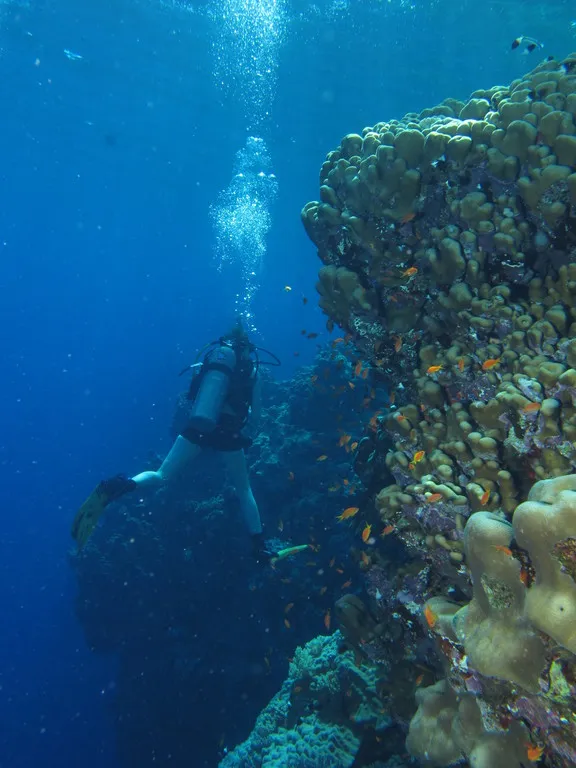
Photo: Derek Keats from Johannesburg, South Africa, CC BY 2.0, via Wikimedia Commons
Here's an uncomfortable truth for an industry that sells coral and pelagics: most divers cannot reliably tell you what they saw on any given dive. Ask them about the boat ride home, though, and they'll talk for twenty minutes straight.
That's not a failure of memory. That's the point. The dive is the input; the deck afterward is where it actually becomes an experience.
The Hour Nobody Sells You
Every dive operation markets the same things: sites, viz, wildlife, gear. Almost none of them market the surface interval, which is wild when you consider that on a typical three-tank day, you spend more time topside than underwater. Two 45-minute dives plus a 90-minute interval? You're doing the math on a beach towel.
And that interval isn't dead time — it's physiology. Your body genuinely needs it to off-gas nitrogen before the next dive. But what you do with it is pure psychology, and it's where trips get remembered or forgotten.
Towels, Thermoses, and the Anatomy of a Good Deck
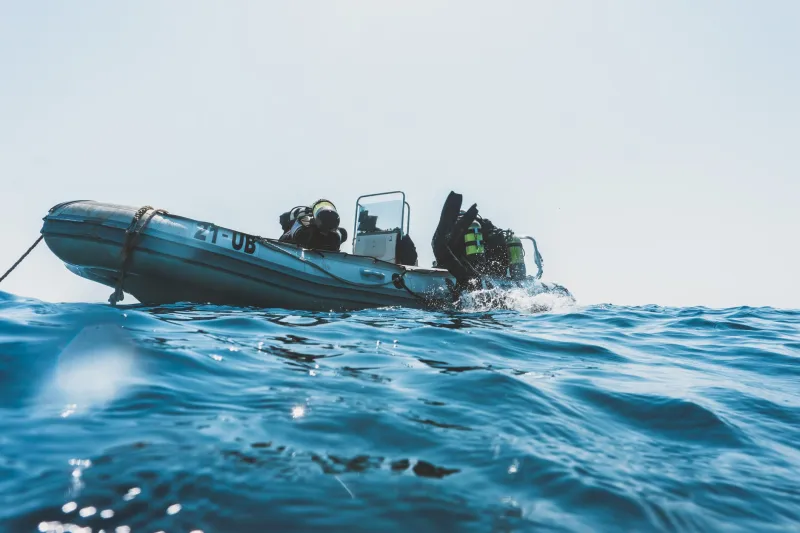
Walk onto a great dive boat after the dive and you'll notice the small stuff immediately. Hot water for rinsing. A pot of coffee that's technically bad and somehow perfect. Dry towels that someone actually counted. Shade that isn't an afterthought.
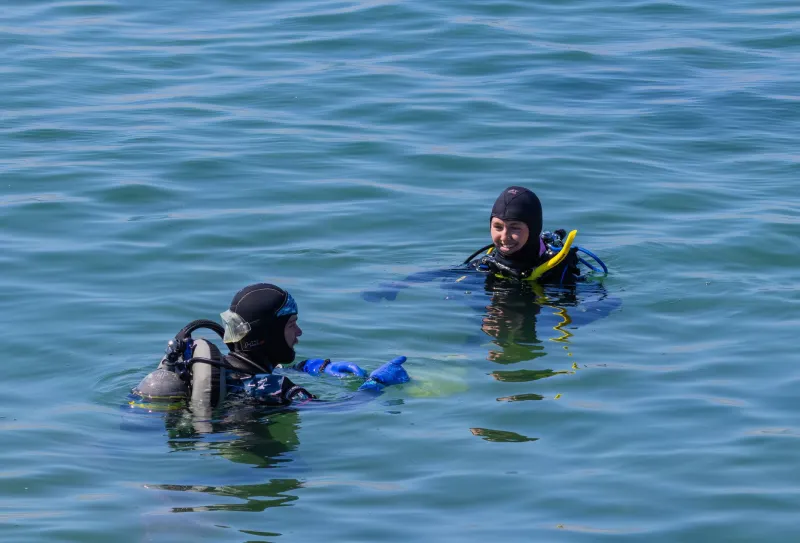
Then watch what happens. People who were strangers at the dock start trading stories. "Did you see the eagle ray?" "I thought that was YOU kicking up all that sand." The dive gets retold, exaggerated, corrected, and mythologized in real time. A first-timer's nervous pre-dive jitters get reframed as a triumph. A diver who botched their buoyancy gets a laugh instead of a lecture.
This is social decompression, and it's as necessary as the physiological kind. Diving is one of the few adventure sports where you share the experience but can't talk during it. The deck is where the story gets told — and where the crew becomes a crew instead of a manifest.
The Logbook Ritual Refuses to Die
You'd think in 2024 the paper logbook would be extinct. It is not, and the reason is the same reason the surface interval matters: the post-dive conversation. There's something about writing down depth, time, and a sketch of a fish you can't name that extends the glow. Apps are efficient. A dog-eared logbook passed around a boat with someone saying "wait, what was THAT thing?" is a ritual.
What Separates Great Operators From Good Ones
Here's the argument this whole piece is building toward: given two operations on identical reefs, the one with the better afterward wins. Every time.
It's not about budget. The best post-dive spaces I've seen range from a Florida springs charter with a beat-up cooler and a captain who remembers everyone's name, to a Caribbean liveaboard with a hot tub. What they share is intentionality. Someone thought about what happens after the dive:
- Warmth. Hot drinks, warm rinse, dry towels. Cold divers don't linger, and lingering is the whole game.
- Shelter. Shade or a cabin. A sunburned diver goes home early.
- A crew that joins in. Nothing kills the vibe faster than divemasters retreating to the wheelhouse. The best ones sit down, grab a coffee, and tell the story about the octopus from 2019.
- Room to be quiet, too. Some divers process alone, staring at the water. A good deck has a corner for that.
- Snacks. Never underestimate a diver post-dive. We are always starving. This is not negotiable.
A Little Homework Before Your Next Trip
When you're comparing operators — Florida, Cozumel, the Great Lakes, wherever — read the reviews for the words after the dive. "The crew was so fun on the surface interval." "They had hot chocolate waiting." That's a better predictor of a great trip than another glowing description of a reef wall you've already seen in a hundred photos.
And on your end? Stay on deck. Skip the phone scroll in the cabin. Bring the logbook. Ask the person next to you what they saw. The dive already happened — the story is still up for grabs.
Because ask any diver ten years from now what they remember, and I promise you: it won't be the viz report. It'll be the towel, the terrible coffee, and the crew that felt like it was theirs.