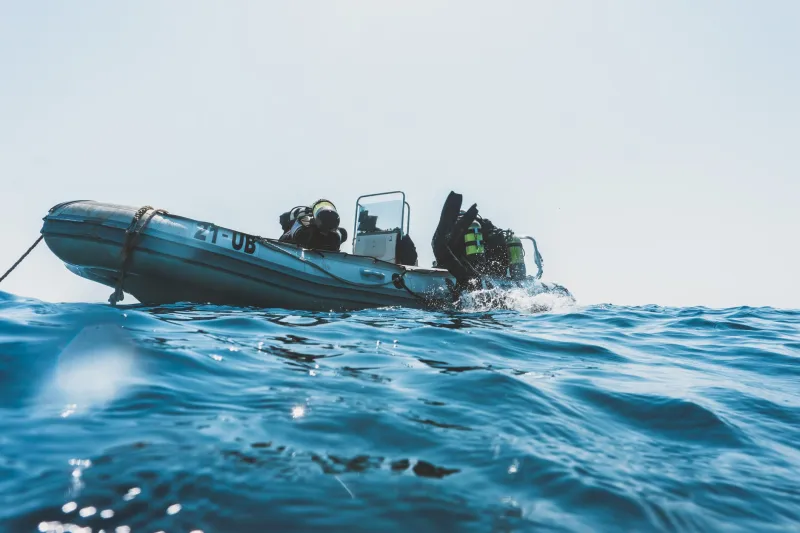
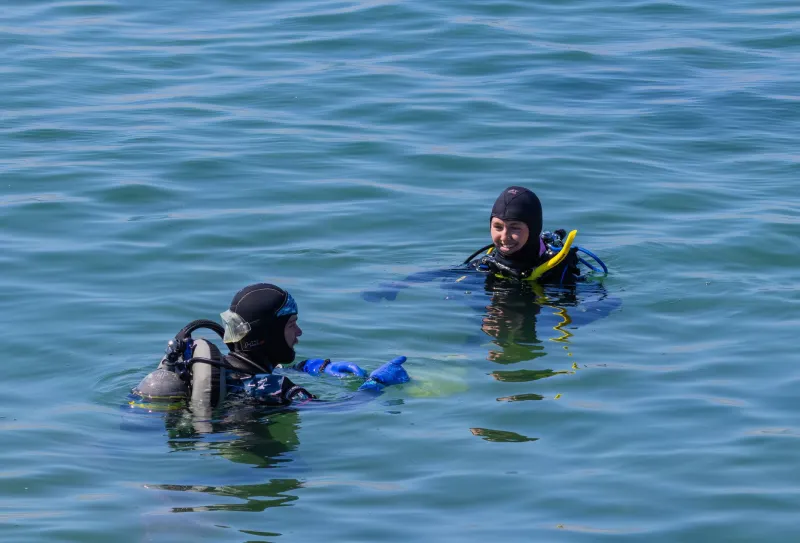
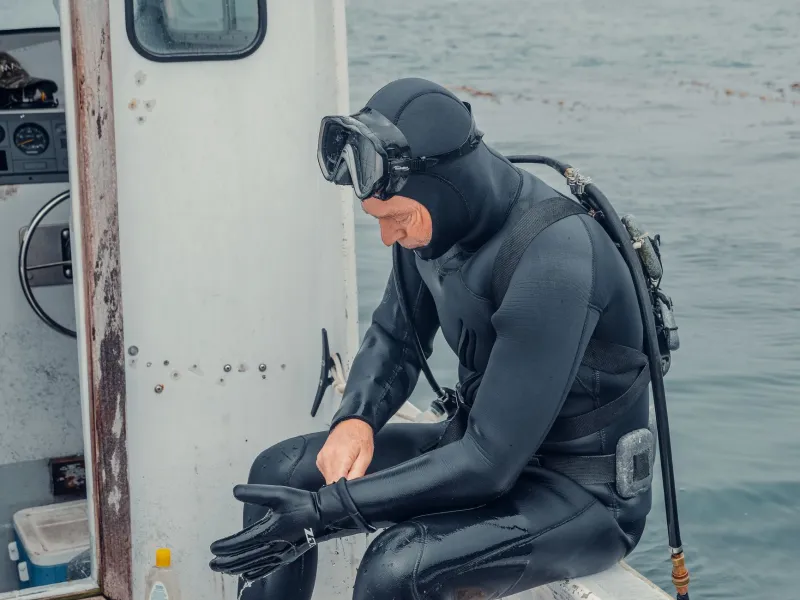
Showing Up Alone, Leaving With a Crew: The Quiet Magic of Getting Certified Solo
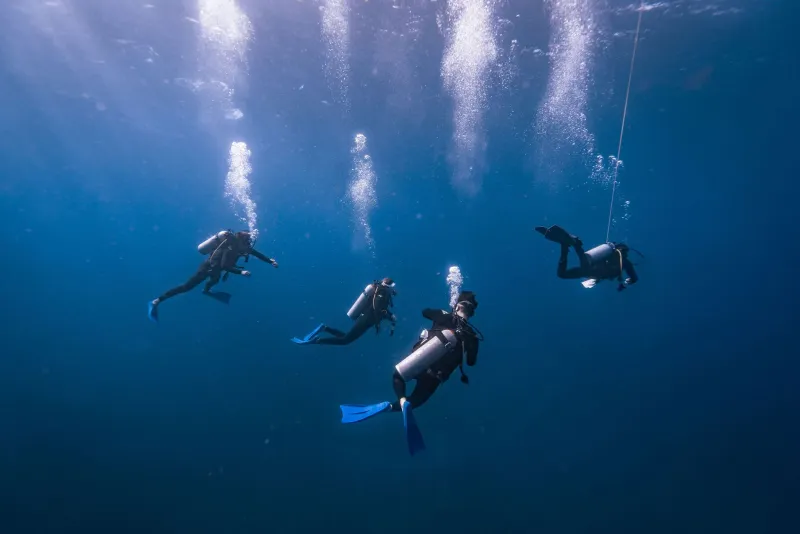
Nobody hands you a name tag at a certification weekend. There's no icebreaker game. And yet, by Sunday afternoon at the quarry, you'll have exchanged numbers with at least three people, argued passionately about the best fin strap design, and probably agreed to plan a trip to Key Largo with someone whose last name you learned approximately forty minutes ago.
If you've been putting off learning to dive because you don't have a buddy to sign up with, here's your official permission slip: go anyway. Seriously. You'll be in good company.
More People Than You Think Are Flying Solo
Talk to instructors at training quarries and dive shops around the country and a pattern emerges. A big chunk of their open water classes aren't couples or friend groups — they're individuals. People who saw a documentary, booked the class, and told exactly one person (usually a mildly alarmed spouse) what they were doing.
Some are recently divorced and reclaiming their weekends. Some are military folks transitioning out and looking for a new tribe. Some just watched too much underwater footage at 1 a.m. and decided enough was enough. Whatever the reason, the solo student has become one of the most common faces in American dive training — and the industry has quietly built itself around absorbing them.
The Intimidation Factor Is Real, But Short-Lived
Let's not pretend the first hour isn't awkward. You pull into a quarry in rural Pennsylvania or a springs park in Florida, gear bag in hand, knowing nobody. Everyone else seems to be in clusters. You stand there doing the universal dance of 'do I introduce myself or pretend to check my gear?'
Here's what actually happens: within ninety minutes, you'll be kneeling on a sandy bottom in twelve feet of water, watching your new buddy's mask flood for the fourth time, and giving them a thumbs up that means both 'you've got this' and 'I've got you.' Shared skills circuits have a way of fast-tracking friendship that years of office small talk never achieves.
Diving strips away the usual social armor. Nobody looks cool in a wetsuit. Everyone coughs on their regulator at some point. When you've both surfaced after a botched mask clear, laughing and sputtering, the hierarchy dissolves. You're equals in the most flattering possible way: both beginners, both hooked.
Why Diving Manufactures Friendship Faster Than Other Hobbies
Every hobby claims to build community, but scuba has structural advantages most don't:
- You literally cannot do it alone. Buddy diving isn't a suggestion; it's baked into the training. From day one, you're paired, briefed together, and responsible for each other.
- The stakes create trust. Nothing accelerates a bond like checking someone's air or being the person they signal when something feels off.
- Surface intervals are designed socialization. The hour between dives exists partly for nitrogen off-gassing and partly for eating gas station snacks and telling stories. This is where friendships actually form.
- The pool of people is self-selecting. Someone who showed up to get certified already shares your particular brand of curiosity. The filter's done its work before you've said a word.
Compare that to joining a gym or a running club, where interaction is optional and polite nods can carry you for months. In dive training, connection is the curriculum.
From Classmate to Dive Buddy to 'We Book Flights Together'
The trajectory is remarkably consistent. Certification weekend creates the initial bond. Then someone posts in the class group chat about a local lake dive. A few people show up. Someone else mentions a shop-organized trip to Cozumel or a liveaboard in the Bahamas. Suddenly you're splitting an Airbnb with people you met in a wetsuit four months ago.
Plenty of long-term dive partnerships started exactly this way. Ask around at any active dive shop and you'll find buddy teams who met in open water class a decade ago and now plan their entire vacation calendar around conditions and fish sightings.
If You're Still Hesitating
A few things worth knowing before you book solo:
- Shops expect it. Instructors are practiced at pairing solo students and often deliberately mix class rosters so nobody's the odd one out.
- Ask about class size. Smaller groups mean tighter bonds, but even bigger classes splinter into natural buddy pods fast.
- Say yes to the surface interval hang. The group lunch matters more than you'd think.
- Get the group chat going. Someone has to send the first message about a follow-up dive. It might as well be you.
The ocean doesn't care that you arrived alone. It just hands you a world full of turtles, thermoclines, and strangers who become the people you call when life gets complicated — because they're the ones who've seen you at your most beginner, your most nervous, and your most joyful, all in a single weekend.
Book the class. Pack the bag. Show up by yourself. Leave with your people.