Budget vs. Bunk: Where Your First Gear Dollars Actually Matter
You just got certified. Your logbook has exactly four dives in it. And now every dive shop employee within a hundred miles is telling you that you need a $1,200 setup to be a "real" diver.
Take a breath. At depth, slowly.
We've run gear through hundreds of dives off California kelp, Florida springs, and the Gulf wrecks, and we asked our dive staff and students one question: what actually changed your dive, and what just changed your credit card statement? Here's the honest answer, tier by tier.
The Mask: Spend Money Here, Seriously
This is the one piece of gear touching your face for 45 straight minutes. A leaky rental mask is the single fastest way to hate diving.
- Budget tier ($60–90): A quality silicone-skirted mask from a reputable brand fits most faces just fine.
- Worth the splurge ($90–130): Low-volume designs and better field of view. Nice, not necessary.
The trick isn't price — it's fit. Press the mask to your face (no strap), inhale gently through your nose, and look down. If it holds, buy it. If it doesn't, no amount of money fixes a bad fit. Try before you buy at your local shop.
Fins: The Boring Truth
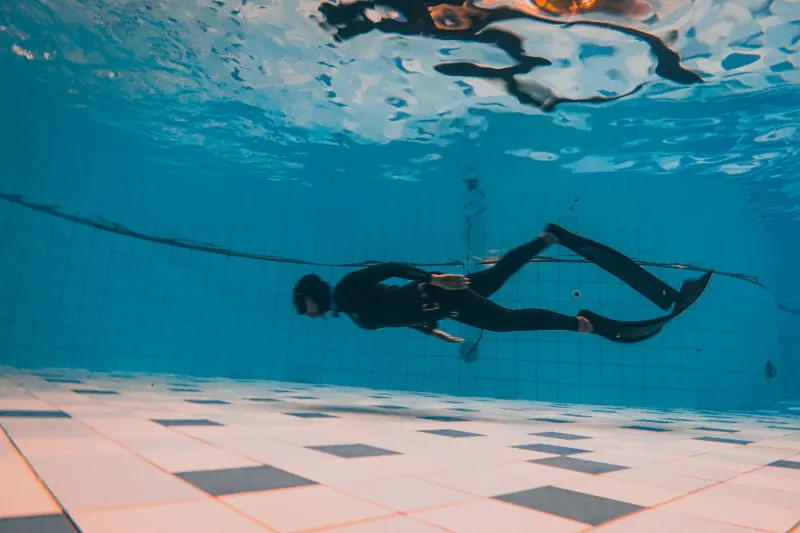
Our instructors overwhelmingly said the same thing: mid-range paddle fins ($80–150) outperform most flashy, split, or "adjustable jet stream turbo" designs for new divers. Long, stiff, or gimmicky fins wreck your trim and your knees. Get a comfortable pair, add a spring strap if you're feeling fancy, and move on. This is not where your budget goes to shine.
The Wetsuit: Fit Beats Thickness Hype
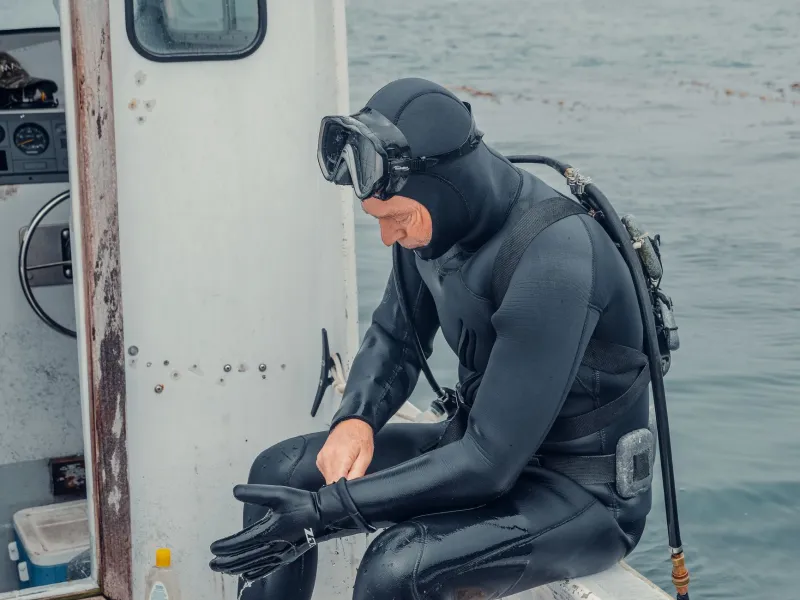
Shops love to upsell thickness. But a poorly fitted 5mm leaks more than a well-fitted 3mm. Here's our rough guide for US waters:
- 3mm: Florida, Caribbean trips, summer SoCal
- 5mm or 7mm: Northern California, the Pacific Northwest, winter anywhere north of Cape Hatteras
Expect $200–450 for a decent suit. Spend up for a good seal and smooth-skin neck if cold water is your thing. One of our students put it best: "I bought the cheap 3mm first. It fit like a plastic bag. The $300 replacement felt like a wetsuit is supposed to feel — like nothing."
The Dive Computer: Here's Where Marketing Wins
This is the biggest price gap in the industry. A $200–300 entry-level computer does exactly what a new diver needs: tracks depth, time, and no-deco limits, and yells at you when you push it. An $800 air-integrated model with Bluetooth, a compass, and a titanium bezel does... the same core job, prettier.
One diver we surveyed put it bluntly: "I dove a basic computer for two years, then upgraded for looks. My safety profile didn't change one bit."
Our call: Buy the affordable computer now. Upgrade when you start doing deeper, more technical diving — if you ever do. The money you save buys dive trips, and trips beat bezels.
The Regulator: Don't Cheap Out, Don't Go Crazy
If you buy one premium item, make it this one — it's literally your life support. But "premium" starts around $450–600, not $1,100. Mid-tier regulators from the major brands breathe nearly identically to their flagship models. Get it serviced annually, and it'll outlast your interest in arguing about it on dive boat forums.
What You Can Skip Entirely
- Tank bangers, underwater bells, and noisemakers: You will lose them. Probably on dive one.
- Dry box keychains and "dive-specific" sunglasses: Marketing.
- Buoyancy gadgets (weight pockets, trim systems) before you've earned them: Fix your buoyancy with a standard BCD and practice first. No accessory substitutes for 20 dives of experience.
- The $150 "travel" snorkel: A $25 one works identically.
The Real Priority Order
If you've got $1,000, here's how our crew spends it: mask and wetsuit first (fit-driven, personal items), then fins, then the computer, then the regulator last — often rented or borrowed until you know what kind of diving you actually do.
Because here's the thing nobody at the register tells you: the best gear upgrade for a new diver isn't in a box. It's bottom time. Every dollar you don't spend on a titanium buckle is a dollar spent on a boat ticket, a spring, a reef. And no piece of equipment on earth improves your diving like simply diving more.
Buy smart. Then go get wet.