Three Minutes Nobody Wants: The Case for Loving Your Safety Stop
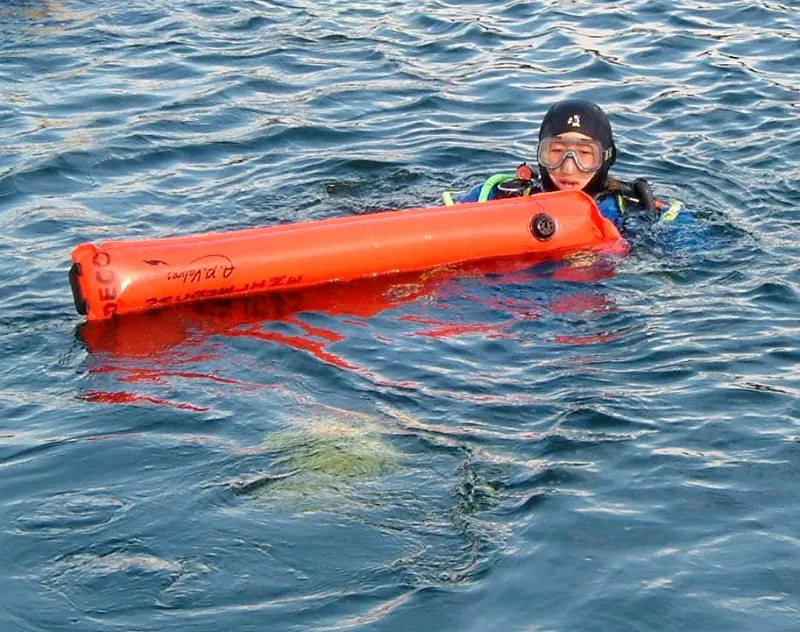
Photo: Mark.murphy (talk), CC BY-SA 3.0, via Wikimedia Commons
The Most Ignored Three Minutes in Diving
Here's a scene you've witnessed a hundred times: the dive is winding down, everyone's thumbs are up, and the group begins that slow spiral upward. At 15 feet, the divemaster holds a fist out — safety stop. Half the group checks their timers. The other half starts finning toward the boat before the stop is even half over.
We treat those three minutes like a parking meter: pay the fee, get out as fast as legally possible. It's a weird cultural habit, because the safety stop is arguably the best seat in the house. And it's also the moment where rushing can genuinely hurt you.
What's Actually Happening in Your Body
The science here isn't complicated, but it's easy to forget on dive 38 of your life. As you ascend, nitrogen that dissolved into your tissues at depth starts coming back out of solution. Give it time at a shallow depth, and your body off-gases gradually. Rush it, and you're essentially shaking a soda can.
The standard advice — a three-to-five-minute pause at 15 to 20 feet — isn't a bureaucratic formality. It's a buffer. And it matters most on the dives where you're least tempted to do it: the long second dive of the day, the deeper profile, the cold-water drift where your hands are numb and the boat ladder looks awfully inviting.
There's a second reason to slow down that gets less airtime: ascent rate itself. Most incidents involving barotrauma — especially in newer divers — happen in the final 30 feet, where pressure changes are the most dramatic. The surface is closer than it feels, and your ears, sinuses, and lungs would all appreciate it if you treated the last stretch like a hallway with a low ceiling rather than a runway.
The Show Nobody Sticks Around For
Now for the fun part. The 15-foot zone is, honestly, kind of a party.
Think about what lives and happens near the top of the water column. On a good day in places like Key Largo or Cozumel, a proper safety stop means drifting through clouds of baitfish that part around you like you're a rock in a river. Tarpon slice through those silver schools. On the Gulf Coast and around Southern California, it's not rare to share your stop with sea lions who have absolutely no concept of personal space.
And then there's the light. At depth, the sun is a flat blue glow. At 15 feet, it turns into something else entirely — shifting rays cutting through surface chop, dancing across the sand. Photographers call this the money zone. Most divers spend it staring at their submersible pressure gauge.
A few things worth noticing on your next stop:
- Sunbeams and surface texture — the water looks completely different from just below the surface, especially mid-morning
- Juvenile fish — tons of species spend their young lives hiding in this shallow band
- Your own bubbles — watch them rise and wobble; it's weirdly meditative
- Passing traffic — turtles, rays, and the occasional curious barracuda cruise through the shallows more than you'd think
Making the Stop Actually Pleasant
If you're someone who finds safety stops awkward — bobbing around, fighting mild surge, drifting toward your buddies — a little technique goes a long way.
First, get neutral before you need it. Dump a little air from your BCD on the way up instead of arriving at 15 feet positively buoyant and flailing. Second, pick a visual reference: the anchor line, a mooring buoy, the bottom 15 feet below. Third, find something interesting to look at. The stop feels half as long when you're watching a cleaning station instead of your timer.
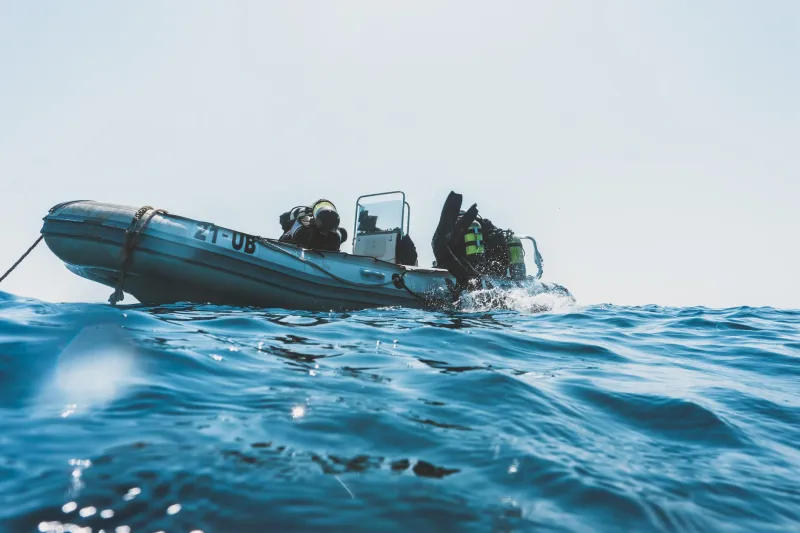
Boats can help too. A hang bar at the stern turns a floating chore into a group hang, literally. If you run trips or dive with a regular crew, ask about it.
Slow Is a Skill
There's a deeper habit at work here. New divers fixate on the destination — the reef, the wreck, the surface. Experienced divers learn that the dive is the whole water column, start to finish, and that the transitions matter as much as the highlights. The safety stop is where you practice that: no goal, no destination, just three minutes of being in the ocean without an agenda.
So next time your computer flashes the countdown, resist the urge to creep upward early. Hover. Look up. Watch the light move. The surface will still be there in three minutes — and you'll arrive at it better off-gassed, safer, and probably having seen something the rushed divers completely missed.