A Thousand Miles From the Ocean, and Already a Better Diver Than You'd Think
There's a moment that happens on almost every dive boat we run. Someone new hops in, glides through the water like they were born in it, nails their buoyancy on the first descent, and casually mentions they're from Omaha.
The coastal divers on board are usually baffled. The landlocked diver just shrugs. They've heard it a thousand times.
Here's the thing nobody tells you when you're a kid in the Midwest staring at a map: the ocean is not a prerequisite for becoming a great diver. In fact, if you grow up in Kansas, Colorado, Minnesota, or anywhere else where the nearest saltwater is a two-day drive, you might actually have a head start. Let's talk about why — and then let's plan your first ocean dive, because you've earned it.
The Quarry Is the Original Equalizer
If you've never heard of quarry diving, buckle up. All over the American heartland, old limestone and granite quarries have been flooded and transformed into dive training sites. Places like Mermet Springs in Illinois (yes, the one with the sunken 727 from U.S. Marshals), Bonne Terre Mine in Missouri, and Lake Phoenix in Virginia are where an enormous chunk of America's dive population learns the craft.
Are they glamorous? Not exactly. The water is often green. The visibility can go from "decent" to "where did my buddy go?" in a single fin kick. There's a thermocline at about 25 feet that feels like swimming through an invisible wall.
And that's exactly the point.
Cold, Murky Water Builds Better Divers
Diving a midwestern quarry is the underwater equivalent of practicing free throws in a driveway with a chain-link net. It's harder than the real thing, on purpose.
Think about what you're working with: limited visibility means you learn to navigate by compass and feel rather than by sight. Cold water means you master your weight system, your exposure protection, and your air management early, because complacency gets corrected fast. Variable conditions mean you show up with a plan instead of assuming the ocean will hand you a postcard.
We've watched divers who certified in a 72-degree Florida spring get humbled by their first quarry weekend, and we've watched quarry rats hop into the Caribbean and move like they own the place. The skills transfer. The confidence really transfers.
There's also a quieter advantage: landlocked divers tend to take fewer dive trips, which means each one is planned with intention. You don't get casual about a dive you've driven eleven hours for.
Getting Certified Without a Coastline
The full open water certification requires four training dives in open water — but "open water" doesn't mean "ocean." Your local options probably include:
- Quarries and lakes: Most midwestern and mountain states have at least one dedicated dive site within a few hours' drive. Many run training platforms at 20–30 feet with exactly the features instructors want.
- Springs and warm rivers: If you're in the mountain West, some spring-fed systems offer surprisingly pleasant conditions year-round.
- Cold-water timing: If you're in Minnesota or the Dakotas, your open water season might run May through September. Plan around it. Plenty of people do their classroom and pool work in winter, then knock out the open water dives the first warm weekend of the year.
One honest note: cold water means proper exposure protection. A 7mm wetsuit or a drysuit isn't optional luxury — it's the difference between a great weekend and a shivering one. Budget for it like you budgeted for your mask.
The Road Trip: From the Middle of Nowhere to the Middle of the Reef
So you're certified, you've got a season of quarry dives under your belt, and you're ready for salt. Here's the beautiful thing about America's geography: the middle of the country is connected to both coasts by interstate highways and a stubborn spirit of adventure.
The Gulf Run (best for first-timers): From Kansas City, Tulsa, or Dallas, you can be in the Florida Panhandle in a long day's drive. Panama City Beach and Destin have charter operations running spring and summer trips to natural reefs and artificial wrecks in warm, forgiving water. It's the gentlest possible introduction to the ocean — and you can haul your own gear in the trunk.
The Florida Springs Detour: If you're already driving toward Florida, carve out two days for the springs around Gainsville and Fort White. Crystal-clear 72-degree water year-round, and a completely different diving experience than anything in a quarry.
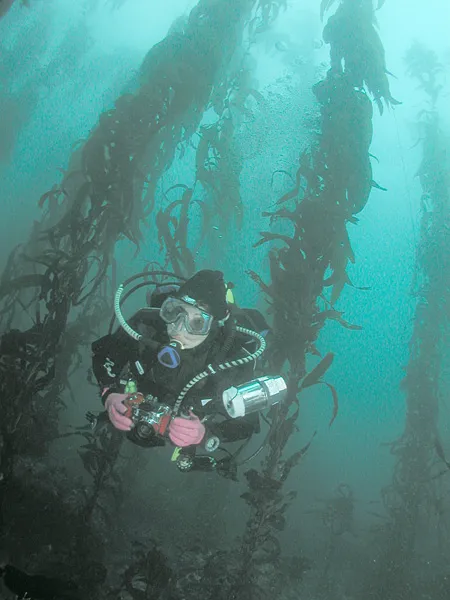
The California Route: Mountain-state divers, your ocean is closer than you think. From Denver or Salt Lake City, it's a serious but doable drive to the coast, and Southern California's dive parks — La Jolla Cove, Catalina Island — offer kelp forest diving that genuinely has no equivalent anywhere in the world.
The Advanced Move: Once you've got some experience, the Gulf Coast out of Texas or the wrecks off the Carolinas open up, and at that point you're not a landlocked diver anymore. You're just a diver.
Your First Salt Dive: What to Expect
A few things will surprise you, in good ways. The salt will hold you up — you'll suddenly feel overweighted and need to drop a few pounds of lead. The visibility, if you've picked a decent site, will feel like a cheat code after quarry diving. And the fish will not be stocked, fed, or planted. They're just there, living their lives, completely unbothered by you.
Do three things: dive with a local guide or divemaster on your first ocean trip, keep your first few dives shallow and easy, and log everything. The details you write down now — weighting, conditions, how your computer behaved — become the foundation for every trip after.
Salt in the Blood Is a Choice
There's a romance to the idea that real divers must be born by the sea. It's also just not true. The ocean doesn't check your zip code. It checks your skills, your preparation, and your willingness to show up.
Some of the most prepared, most safety-conscious, most quietly excellent divers we know learned their craft in water so green you couldn't see your own fins, hours from the nearest tide chart. They didn't grow up with salt in the blood.
They drove toward it. And that, honestly, might be the more impressive story.