No Salt Required: The Quiet Rise of America's Freshwater Dive Cult

Photo by Photo by Nick Russill on Unsplash on Unsplash
Somewhere in the Midwest right now, a diver is logging their 300th dive in a flooded quarry. Water temperature: 48 degrees. Visibility: maybe 25 feet on a good day. Salt water seen: zero gallons.
And here's the thing — they might be a better diver than half the folks floating around a Caribbean reef.
Freshwater diving has a reputation problem in America. It gets treated as a stepping stone, a place to do checkout dives before the "real" diving starts. But spend any time around the inland dive community and you'll notice something: these folks aren't waiting for a flight to Cozumel. They're diving every weekend, year-round, ten minutes from home. And they're having a blast doing it.
The Economics Are Almost Embarrassing
Let's start with the obvious. A two-tank boat trip in the Keys runs $110 to $150, plus tip, plus lodging, plus airfare if you don't live in Florida. A quarry dive in Pennsylvania or Indiana? Fifteen to twenty bucks in entry fees, a tank fill, and a full day of bottom time.
When your dive site is a two-hour drive instead of a two-hour flight, the math changes everything. You can dive Saturday, sleep in your own bed, and still have Sunday for gear rinse and yard work. That frequency matters more than any single epic trip. Divers who get in the water 40 times a year in a quarry will out-handle, out-breathe, and out-problem-solve the diver who does eight vacation dives annually in bath-warm water.
The Ecology Is Genuinely Weird
Here's what the salt-snobs miss: freshwater ecosystems are strange in ways reefs simply aren't.
The Tennessee River system hosts mussels that live for decades and depend on fish to ferry their larvae — an underwater drama most divers have never witnessed. The springs of North Florida boil up through limestone caverns, and diving them feels like floating through a cathedral lit from below. Lake Jocassee in South Carolina hides intact, flooded forests in water so clear it tricks your depth perception.
And thermoclines! In the ocean, temperature shifts are gradual. In a quarry, you hit 40 feet and the water drops fifteen degrees in the space of a body length. You literally feel the seasons stacked on top of each other.
Visibility Swings Keep You Sharp
Ask any inland regular and they'll tell you: the viz is a mood. Twenty feet one weekend, eight the next, thanks to rain, algae blooms, and thermocline turnover.
Sounds like a complaint? It's actually training. Divers who learned in variable conditions develop instincts — better buoyancy, tighter buddy contact, calmer navigation by feel — that transfer anywhere. When the ocean throws a surprise at you, the quarry diver shrugs. They've seen worse.
A State-by-State Hit List
If you're curious where this tribe dives, here's a quick tour:
- Pennsylvania — Dutch Springs area quarries: The classic. Sunken attractions, training platforms, and a community that's been meeting here for decades.
- Florida — Ginnie, Devil's, and Madison Blue Springs: World-class cave and cavern diving that happens to be freshwater. Divers fly in from Europe for these.
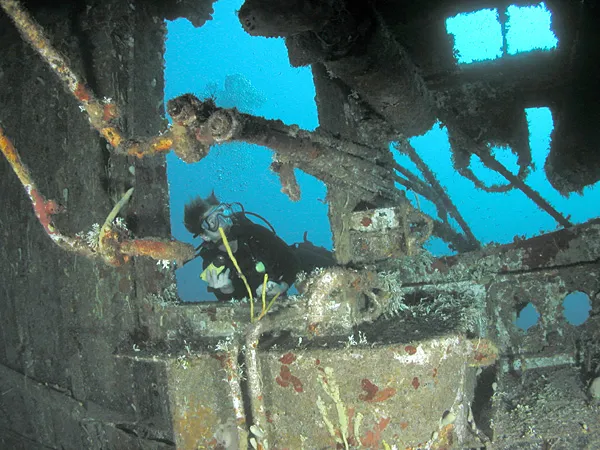
- Indiana — Mermet Springs: A 120-foot-deep quarry with a submerged 727 jet. Yes, you can swim through an airplane in the middle of farm country.
- South Carolina — Lake Jocassee: Mountain-fed, startlingly clear, with flooded forest and cold-water species at depth.
- Tennessee — Tellico and the TVA river systems: River drifting, big headwater springs, and mussels older than your dive log.
- Minnesota — The Iron Range lakes: Wreck diving in ten-thousand-lakes territory, including accessible mine pit lakes with astonishing clarity.
- Texas — The San Marcos River and Valhalla (military site): Spring-fed, 72-degree water year-round, and a grass-lined river drift that feels like a lazy river with fish.
Respect the Freshwater Diver
Here's the opinion part: it's time to retire the idea that freshwater diving is a consolation prize. It's a discipline with its own skills, its own hazards (cold, silty zero-viz, overhead environments), and its own rewards.
So the next time someone apologizes for "just quarry diving" this weekend, remind them: the ocean will still be there. The freshwater crew found something better — a dive life they can actually live every week.
Dive deeper. Explore further. Live wilder. Sometimes that means a 48-degree quarry in November, and loving every minute of it.