The Unwritten Rules of the Dive Boat: How Not to Be That Diver
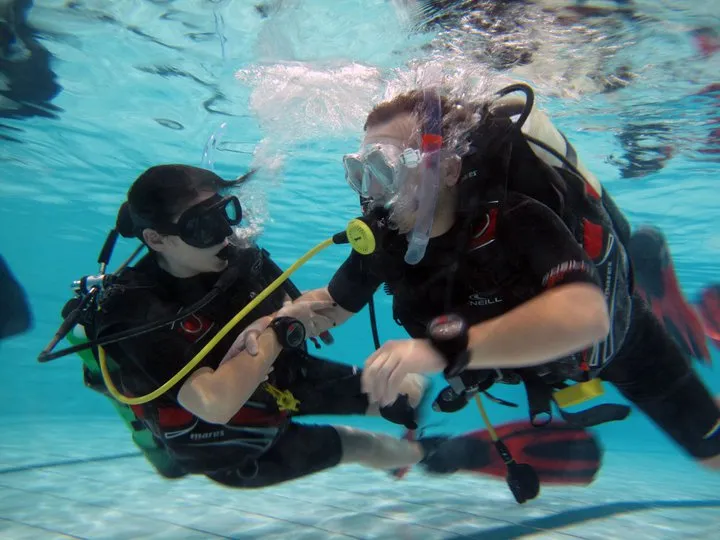
Photo: Yu Diving, CC BY-SA 2.0, via Wikimedia Commons
There's no certification for dive boat etiquette. No quiz, no e-card, no skill check. And yet, five minutes into any liveaboard trip or Florida day boat, everyone aboard has silently sorted each other into two groups: divers people want to share a bench with, and divers people quietly avoid.
The good news? Landing in the first group takes zero talent. It's mostly about paying attention. Here's what nobody tells you before your first group trip — so consider this your briefing.
The Rinse Tank Is Not a Soupiest Station
Every boat has a gear rinse setup, and every rinse setup has politics. The cardinal sin: dumping your sandy, peed-in wetsuit into a shared tank and letting everyone else's cameras marinate in it.
Rinse your personal gear in the designated area, keep cameras in their own freshwater bath (salt and electronics don't negotiate), and if you're on a liveaboard, follow the crew's system exactly. They've built that system over hundreds of trips. Arguing with it is like rearranging someone else's kitchen.
Claim Your Spot — Then Stop Claiming Things
On day boats, the early bird gets the dry spot. Show up 30 minutes early, stash your gear bag under your assigned or claimed seat, and you're set. What you don't do is drape your towel across three seats, claim the camera table for the entire trip, or reserve the sun deck with a single flip-flop while you're off getting lunch.
One flip-flop is not a legal claim. Everyone knows this. Nobody says it out loud. Now you know it too.
The Seasick Seat Strategy
Here's the honest hierarchy: the back of the boat near the rail is prime real estate for anyone with a questionable stomach. Fresh air, quick access to the ocean, minimal engine fumes. The stuffy interior cabin mid-ship is where seasickness goes to get worse.
If you know you get queasy, take your motion sickness meds an hour before boarding — not after the swell starts — and quietly head aft. And if you do get sick, use the leeward side and downwind of your shipmates. It's the marine version of covering your cough.
Briefings Are Not Optional Listening
The divemaster briefing isn't background noise while you adjust your BCD. It contains the dive plan, the current, the hazards, and the lost-diver procedure — specific to that site, that day.
Divers who ask questions that were just answered earn a special kind of patience from crews. Divers who wander off and get picked up by another boat earn a very different kind of conversation. Listen first, ask smart questions second.
The Bench: Fill It or Leave It
On a well-run boat, tank changes and seat assignments happen in a rhythm. If a crew member offers to switch your tank, great — but know how to do it yourself, and don't sit there scrolling your phone while they muscle your gear around. Offer. Help. Say thanks by name.
And when you're back on the bench after your dive, clip your gear up, stow your weights where they belong, and stop your fins from dripping on the person below you. Small things. Huge social credit.
Buddy Checks Happen On the Boat, Not in the Water
Rushing your checks to be first down the line is the classic rookie move. The dive isn't a race, and the manta ray doesn't care who arrives first. Run your checks at your seat, enter with control, and clear the descent line for the divers behind you.
Ironically, the divers who take their time usually end up seeing more — calm, unhurried divers get approached by marine life constantly. Sloth pays.
Tip Like You Mean It
On US-based boats and liveaboards alike, crew tips aren't a bonus — they're baked into how crew get paid. If the crew filled your tank, found your mask, and hauled your fins, tip accordingly. Cash in the tip jar or an envelope at the end of the trip, and if you're on a multi-day liveaboard, follow the standard 10–15% of the trip cost guideline. Nobody remembers the person who shorted the crew. Everybody remembers the one who didn't.
The Golden Rule of the Galley
On liveaboards, the salon is shared space. Wipe your spills, don't leave wet gear on the cushions, and never, ever take the last of something without asking if anyone else wants it. You're living with twelve strangers for a week. Act like a good roommate, and by day three you'll have dive buddies for life.
Bottom Line
Dive boat etiquette boils down to one idea: leave the boat, the crew, and your shipmates better than you found them. Do that, and you won't just be welcome back — you'll be the diver people request on the bench next to them. And out here, that's worth more than any certification card.
Want to put these skills to work? Check out our guided group trips — we'll handle the briefing, you handle the rinse station politics.