The Encore Dive: Why Going Back to the Same Site Beats Chasing a New One
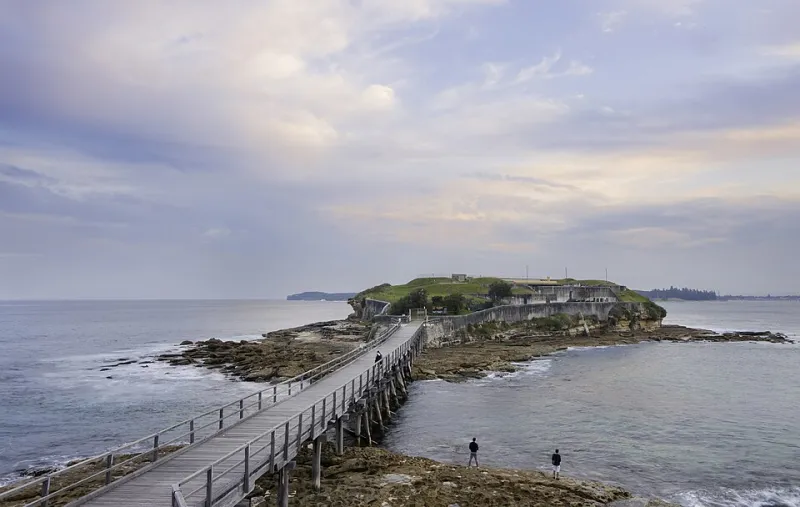
Photo: Lenny K Photography from Sydney, Australia, CC BY 2.0, via Wikimedia Commons
There is a certain kind of diver who treats every trip like a checklist. New quarry, new spring, new kelp bed, new wreck. The photos pile up. The logbook fills. And yet the skills can stay oddly flat, because every dive is a first dive: first descent, first orientation, first panic about where the boat is.
The opposite approach is less glamorous and more useful. Pick a site you already know and dive it again. Then dive it a third time. The second visit is often the one that sticks.
The Novelty Trap
Novelty is fun. It is also expensive in attention. On a first visit, you spend most of the dive figuring out the site: where the reef rises, where the sand channel runs, which way the current pushes, where the boat will pick you up. That is necessary, but it leaves less room for the actual craft of diving.
A repeat visit removes the orientation tax. You know the entry. You know the exit. You know the depth profile. That frees up bandwidth for buoyancy, trim, breathing, fish behavior, and the small details you missed the first time. The dive does not have to be new to be interesting. It just has to be familiar enough that you can pay attention.
What Repetition Teaches Your Body
Buoyancy is a feel, not a formula. You can read about neutral buoyancy all day, but your body learns it through repetition in the same environment. A familiar spring run or kelp bed gives you a baseline. You notice when you are riding high. You notice when your fin tips are stirring silt. You notice when your breathing changes your trim.
Site reading works the same way. On a second visit to a Florida spring, you start to see how the flow moves through the basin. On a third dive in a California kelp forest, you start to read the light and the surface chop. In a Midwest quarry, you learn where the thermocline sits and how the visibility changes with the season. None of that is boring. It is literacy.
Fish ID Is a Relationship, Not a Checklist
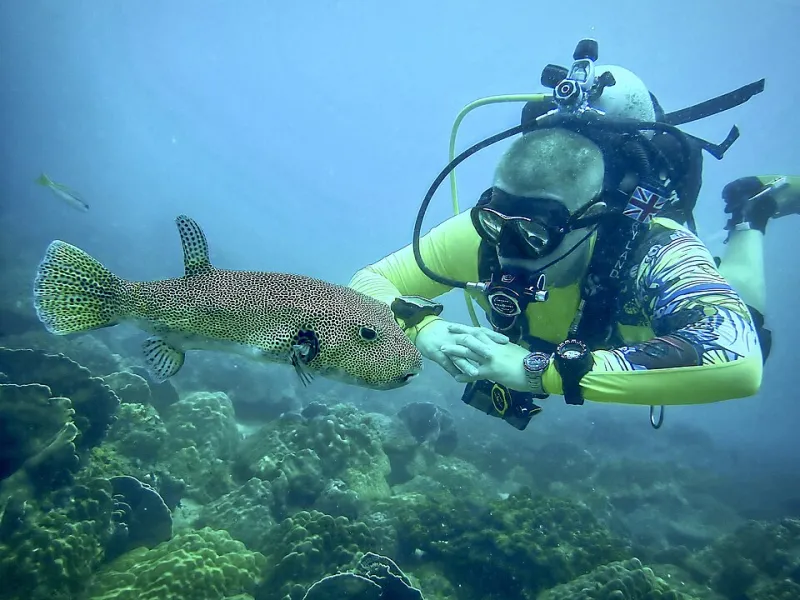
The first time you see a particular fish, you are just trying to name it. The second time, you notice where it lives. The third time, you notice what it does when you approach. That shift—from naming to noticing—is where marine life gets genuinely interesting.
Repeat diving turns fish ID into a relationship with a place. You start to recognize resident individuals, preferred hiding spots, and seasonal patterns. You learn which species tolerate a slow approach and which ones bolt. That is not just a better dive. It is a better conservation mindset, because you cannot care much about a place you have never really seen.
A Same-Site Weekend, Built Simple
You do not need a grand plan. Pick one site within a few hours of home or one that anchors a long weekend. Aim for three dives over two days, ideally at different times of day. Dive one is for reorientation. Dive two is for a single skill focus, like holding a depth band or practicing finning. Dive three is for observation: pick one creature, one zone, or one behavior and follow it gently.
Between dives, write down what you saw and what felt off. Compare notes with your buddy. On the last dive, try to lead the site. If you can navigate it without following the divemaster, you have learned something the novelty chase rarely teaches.
The Conservation Case for Returning
Repeat divers notice change. They see the algae bloom, the missing fish, the new mooring line, the silt that was not there last year. That kind of attention is the beginning of stewardship. You do not protect a place you only visit once. You protect a place you know.
So yes, book the far-flung trip. See the new thing. But leave room for the encore. The site you think you have already seen has more to show you—if you are willing to go back and look properly.