The Reefs Are Moving: Chasing America's Shifting Underwater Map
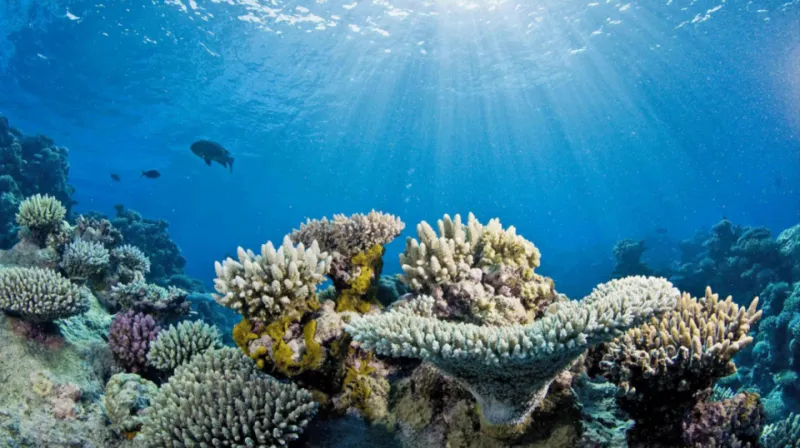
Photo: Unidentified NOAA photographer, Public domain, via Wikimedia Commons
For decades, the dive calendar ran on rails. Summer meant the Keys. Fall meant clear water in the Gulf. California's kelp forests peaked on schedule, and operators planned their whole year around patterns that hadn't budged in living memory.
Those rails are coming loose.
Florida's Famous Reef Is Running a Fever
The summer of 2023 was a gut punch for South Florida diving. A persistent marine heat wave pushed water temperatures on some Keys reefs past 100 degrees Fahrenheit — bathwater, literally — triggering one of the worst bleaching events the region has recorded. Divers who'd been visiting the same coral heads for twenty years returned to find them bone-white.
Some coral recovered as waters cooled. Some didn't. What's changed permanently is the rhythm: bleaching events that used to be rare are now recurring, and dive operators in Key Largo and Islamorada have started building them into their planning the way ski resorts dread a warm winter.
"We don't market the reef the same way anymore," one veteran captain told me. "We market the animals. The reef structure is there, the fish are there — but we've learned not to promise coral color in a postcard."
Several operators have shifted emphasis toward wrecks — the Spiegel Grove, the Vandenberg — and toward lionfish derbies, turning a conservation problem into a dive product. It's adaptation, not surrender.
The Kelp Is Thinning, and the Jellyfish Know It
On the other coast, Northern California's bull kelp forests collapsed dramatically in the mid-2010s after a marine heat wave known as "the Blob" combined with a purple urchin population explosion that mowed down kelp like a lawnmower. Some forests have shown encouraging recovery, aided by urchin culling efforts that divers themselves participate in. But the baseline has moved.
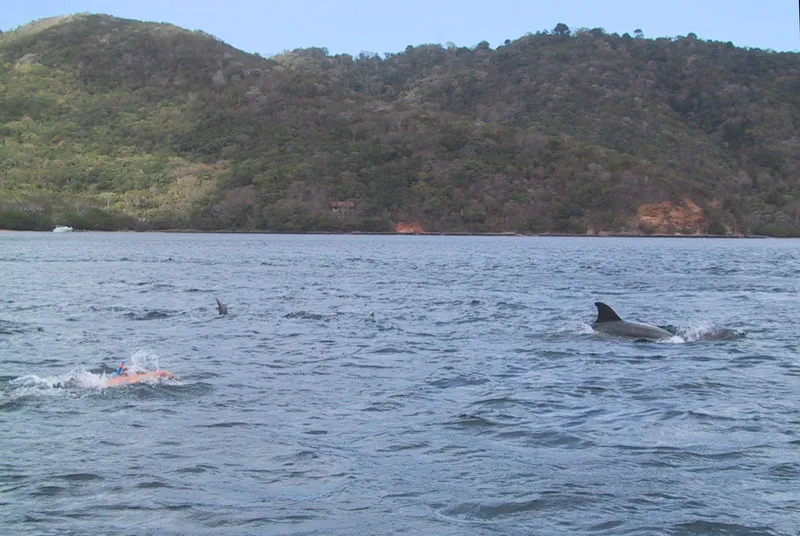
Meanwhile, southern and central California dive reports increasingly mention something old sites rarely featured: jellyfish blooms, arriving in warmer months and sticking around longer. Sightings of typically-Mexican species — pan-tropical spotted dolphins pushing north, occasional whale sharks off San Diego — hint at a slow tropicalization of the California coast.
The New Map: Where Divers Are Going Instead
Here's the part nobody predicted: as some classic sites fade, others are emerging.
North Carolina's wreck coast keeps getting better. Warm Gulf Stream water plus the Graveyard of the Atlantic equals sand tiger sharks on the Papoose and the Aeolus — and the season keeps lengthening as waters warm.
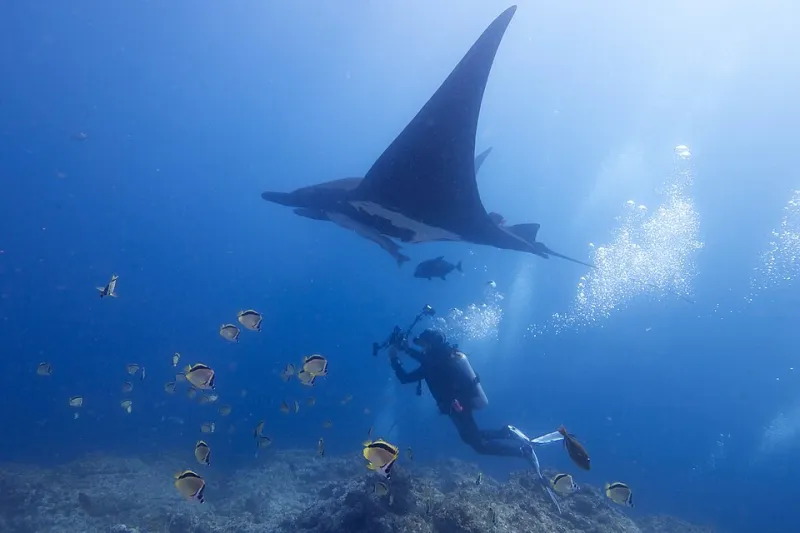
The Gulf of Mexico's artificial reefs are flourishing. Oil rigs off Louisiana and Texas have become FADs in the truest sense, drawing everything from amberjack to mantas, and the diving season now stretches further into fall than old-timers remember.
Pacific Northwest cold-water sites are seeing renewed interest from divers priced out of tropical trips, and some temperate species ranges are shifting north into their waters.
What This Means for Your Dive Planning
Three practical takeaways:
-
Book with operators, not just destinations. The good ones are tracking conditions obsessively and will tell you honestly what's thriving this year. Ask what's changed in the last five seasons — their answer tells you everything.
-
Rethink what makes a dive "great." The postcard coral shot may be a relic. Encounters — a shark, a schooling jack tornado, a sea lion romp — are the new currency, and many of those encounters are getting better in some places.
-
Dive like it matters. Reef-safe sunscreen, buoyancy that respects fragile structure, citizen science dives, lionfish removals — the divers who adapt alongside the reefs are the ones who'll have reefs to adapt to.
The ocean has always been a moving target. It's just moving faster now. The divers and operators paying attention — really paying attention — are the ones writing the next chapter of American diving. And honestly, some of it reads pretty good.