Timing Is Everything: How to Read US Tides and Seasons for Your Best Dive Ever
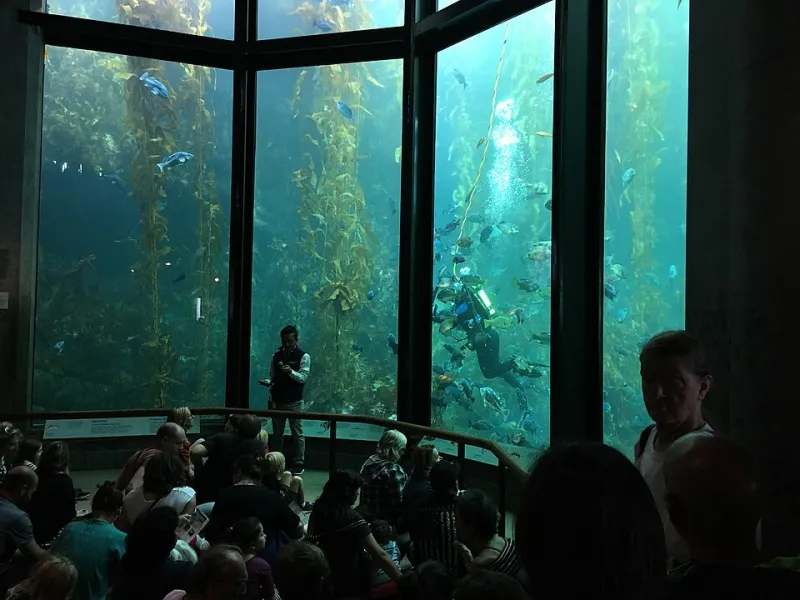
Photo: Rhinopias, CC BY-SA 4.0, via Wikimedia Commons
Every diver has a story about the dive that should have been great. Perfect site, perfect weather, great buddy — and then you drop in to find zero visibility and a barren seafloor that looks like a parking lot. Nine times out of ten, that heartbreak was preventable. Timing, more than almost any other factor, determines whether you come home with stories or just sunburn.
The good news: tides, visibility patterns, and marine wildlife cycles are predictable. Not perfectly, but well enough that a little planning can transform your hit-or-miss dive calendar into a genuinely strategic one.
Understanding Why Visibility Changes (It's Not Random)
Water clarity is driven by a handful of interacting forces: tidal movement, runoff, wind, plankton blooms, and seasonal thermoclines. Tides are the easiest to control for because they follow a reliable schedule you can look up weeks in advance.
The basic principle: moving water stirs up sediment. Slack tide — the brief window when tidal flow pauses between incoming and outgoing — is almost always the clearest water you'll get at any tidal site. Most US coastal dive sites benefit from diving within an hour of slack, ideally just as the tide is beginning to flood (incoming) after a low. Outgoing tides pull sediment and freshwater runoff seaward, which can cloud things considerably depending on local geography.
NOAA's tide prediction tool (tidesandcurrents.noaa.gov) gives you free, location-specific predictions for every coastal area in the US. Bookmark it. It's one of the most useful free resources a diver has access to.
Florida: Warm, Predictable, and Wildly Seasonal
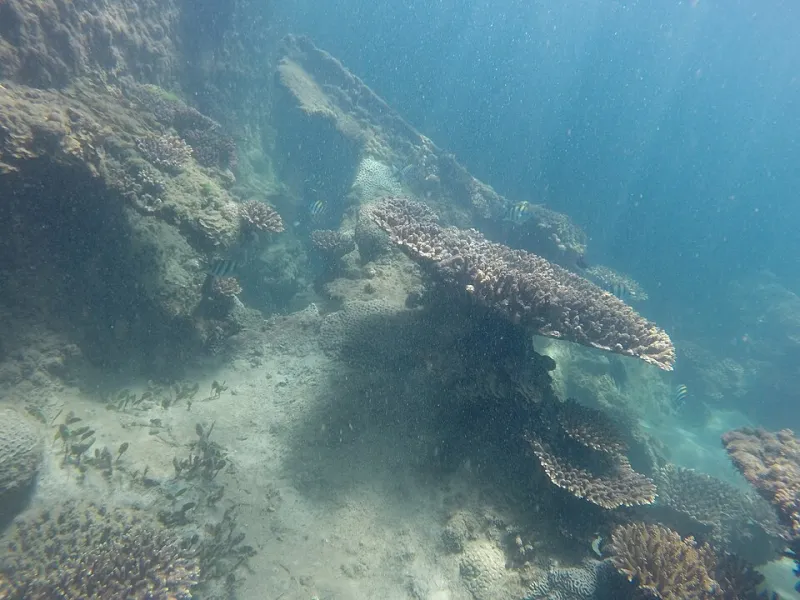
Florida's dive calendar is largely driven by water temperature and the annual migrations it triggers. The Keys, which host some of the most accessible reef diving in the continental US, see their best visibility in the winter months — roughly November through April — when cooler, calmer water keeps plankton concentrations lower and Caribbean currents push cleaner water onto the reefs.
But winter also brings the famous goliath grouper aggregations around offshore structures and wrecks near Boynton Beach and Jupiter. These massive fish — some pushing 400 pounds — gather in the fall (September and October are peak), making that shoulder season a spectacular time to be in the water despite occasionally reduced visibility.
On Florida's Gulf Coast, summer brings calmer seas and warmer water, but also increased plankton and occasional red tide events that can shut diving down entirely. Spring and early fall are the sweet spot on that side of the state.
For tidal timing in Florida, the difference between high and low tide is relatively modest (often just a foot or two), so it matters less than current direction — always check local current predictions, especially around inlets and passes.
The Pacific Coast: Thermoclines, Kelp, and the Upwelling Factor
California diving operates on a completely different logic. The cold California Current and seasonal upwelling — when deep, nutrient-rich water rises to the surface — create conditions that are spectacular for marine life but challenging for visibility.
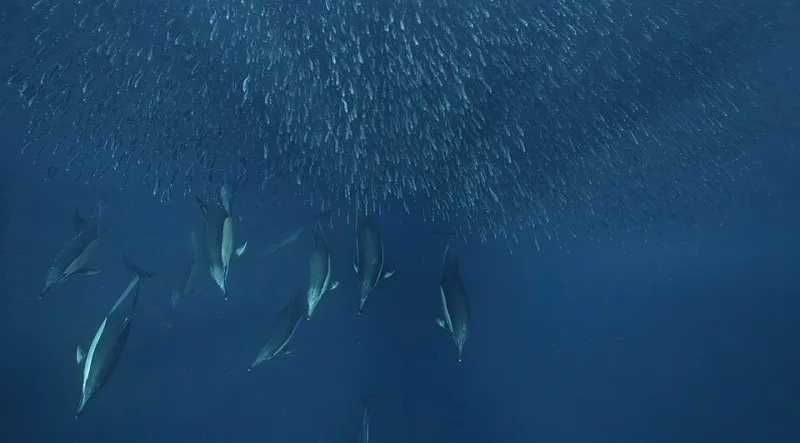
Upwelling season runs roughly from March through June along the Central and Northern California coast. During this period, you'll see an explosion of life — nudibranchs, rockfish, lingcod, harbor seals, and massive schools of baitfish — but visibility can drop to 10 feet or less as phytoplankton blooms take over. Experienced California divers often embrace this, since the life density more than compensates for the murk.
Late summer and fall (August through November) tend to bring the best visibility in Southern California and the Channel Islands, as upwelling slows and warmer surface water settles. This is prime time for kelp forest diving — the giant kelp grows fastest in these conditions, and the forests become genuinely cathedral-like.
For tidal planning on the Pacific Coast, tidal swing is much more dramatic than Florida — often six feet or more in Northern California. Diving within 45 minutes of slack high tide generally gives you the best combination of visibility and accessible entry points at rocky shore sites.
Pacific Northwest: Cold, Dark, and Absolutely Worth It
Washington and Oregon don't show up on most dive bucket lists, but they absolutely should. Puget Sound and the San Juan Islands host some of the most biodiverse cold-water diving anywhere in the world — giant Pacific octopus, wolf eels, six-gill sharks, and clouds of invertebrates that make a tropical reef look understated.
The catch: tidal currents in the Pacific Northwest are among the strongest in the US, and timing here isn't optional — it's a safety issue. Sites like Keystone Jetty or Deception Pass have current windows measured in minutes, not hours. Local dive shops are invaluable resources for understanding site-specific timing, and diving with a guide who knows the area well is genuinely worth the cost, especially on your first few visits.
Visibility peaks in winter and very early spring, when plankton levels drop and the water clears to 30-plus feet. The water is cold (45–50°F), but a dry suit makes it entirely manageable, and the reward is an underwater environment unlike anything else in the country.
Hawaii: The Exception to Almost Every Rule
Hawaii operates on its own terms. Tidal influence on visibility is minimal compared to the mainland — the islands sit in open ocean with relatively small tidal ranges. What matters far more is swell direction and wind.
North swells, which arrive from October through March, make north-facing shores rough and often undiveable, but the south and west shores stay protected and clear. Summer reverses this pattern. Checking swell forecasts (surfline.com works fine for this) a few days out gives you a reliable picture of which sides of any island will be diveable.
For wildlife timing, winter on the west side of Maui is manta ray season — the animals congregate around Lanai and the Kona Coast of the Big Island year-round, but humpback whale encounters (topside and sometimes underwater) are uniquely a January through March phenomenon.
Making a Smarter Dive Plan
Putting this all together doesn't have to be complicated. Before any coastal dive trip, run through this quick checklist:
- Check NOAA tide predictions for your specific site and identify slack tide windows.
- Look up seasonal patterns for your destination — is this the visibility season or the wildlife season? Sometimes they're not the same.
- Check local current and swell forecasts 48–72 hours out.
- Call the local dive shop. Seriously. A five-minute conversation with someone who dived that site last weekend is worth more than any chart.
- Build flexibility into your schedule. If you're driving four hours to a specific site, give yourself two days rather than one. Conditions change.
The ocean is endlessly generous to divers who pay attention to it. Learn its rhythms, and it'll show you things that reward every bit of the effort.