Off the Beaten Reef: 7 Under-the-Radar US Dive Sites Under 100 Feet That Are Absolutely Worth the Trip
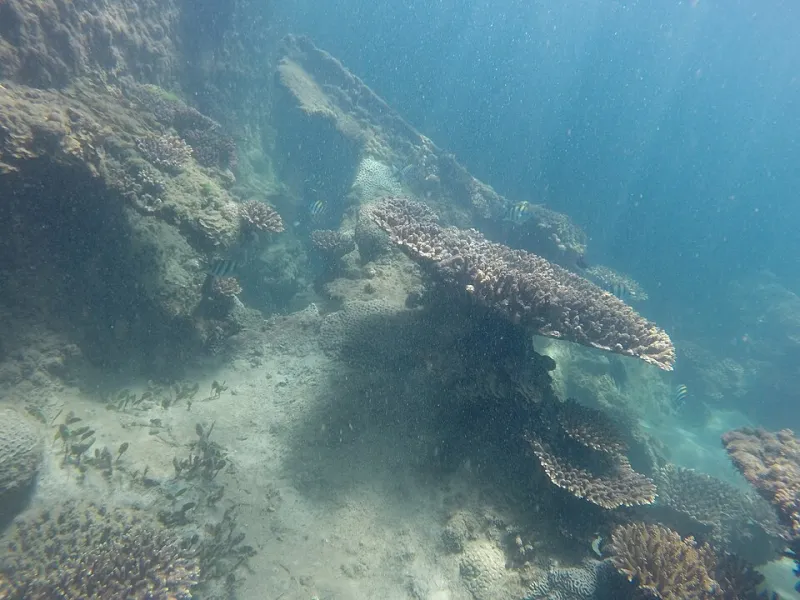
Photo: MusikAnimal, CC BY-SA 4.0, via Wikimedia Commons
Let's be honest — the dive sites that get all the press are great. The Great Blue Hole, the SS Thistlegorm, the Maldives. But if you're a certified diver based in the US, you don't have to book a two-week international trip every time you want an unforgettable dive. The country's waters — from the Great Lakes to the Gulf, from the Pacific Northwest kelp forests to the Caribbean territories — are loaded with accessible, spectacular sites that most recreational divers have never visited.
We've pulled together seven of our favorites: sites that stay within recreational depth limits (under 100 feet), don't require advanced technical training, and deliver the kind of underwater experience that reminds you why you got certified in the first place.
1. The SS Keewatin, Lake Huron, Michigan
Depth: 25–70 ft | Difficulty: Intermediate | Best Season: June–September
The Great Lakes are criminally underrated as a dive destination, and this Edwardian-era passenger steamship is one of the reasons why. The Keewatin sank in 1965 after decades of service on the Great Lakes passenger route, and she sits in remarkably good condition in Tobermory, Ontario — but her American counterpart, the SS City of Cleveland, rests in Michigan waters near Alpena and is equally stunning. Freshwater means exceptional visibility and no salt corrosion, so the structural details are preserved in ways you rarely see in ocean wrecks. The Alpena area in particular has been designated the Thunder Bay National Marine Sanctuary, protecting dozens of shipwrecks. Expect cold water (bring a drysuit or thick wetsuit) and haunting, cinematic visibility that can stretch past 30 feet.
2. Molasses Reef, Florida Keys
Depth: 5–55 ft | Difficulty: Beginner to Intermediate | Best Season: April–October
The Florida Keys have no shortage of famous dive sites, but Molasses Reef — part of the Florida Keys National Marine Sanctuary — tends to get overshadowed by its flashier neighbors. That's your gain. This multi-tiered coral reef system off Key Largo features a shallow spur-and-groove formation that's excellent for beginners, with deeper ledges and overhangs that reward more experienced divers. The marine life density here is exceptional: nurse sharks resting under coral heads, sea turtles grazing on sponges, goliath grouper that are genuinely enormous, and clouds of sergeant majors hovering around every structure. It's also a good option for divers who want a longer bottom time — the shallower sections give you plenty of time to explore without burning your no-decompression limits.
3. Spiegel Grove, Florida Keys
Depth: 60–130 ft (upper structure starts at 60 ft) | Difficulty: Intermediate-Advanced | Best Season: May–September
Okay, the deepest portions of this site push past 100 feet — but the upper hull and superstructure are accessible at recreational depths, and the experience is worth every foot of it. The Spiegel Grove is a 510-foot Navy landing ship deliberately sunk off Key Largo in 2002, and she's now one of the most heavily colonized artificial reefs in the Atlantic. Massive schools of fish hover around every corner of the vessel. Goliath grouper the size of coffee tables hang out in the cargo holds. On a clear day, the sheer scale of the ship — visible in multiple sections simultaneously — is humbling in the best possible way. Dive the upper structure and come back when you're ready for the deeper sections.
4. Salt Pier, Bonaire (US Caribbean Access)
Depth: 20–60 ft | Difficulty: Beginner-Intermediate | Best Season: Year-round
Bonaire is a Dutch Caribbean island, but it's a short flight from Miami and functions as a de facto US diver destination — it's one of the most diver-friendly islands on the planet, with shore access at most sites and no live-aboard required. Salt Pier specifically is one of those dives that looks like nothing from the surface (it's an industrial salt loading facility) and like everything once you're underwater. The massive wooden pylons are carpeted in orange and yellow cup corals, and the fish life underneath is extraordinary — tarpon, barracuda, eagle rays, and thick schools of reef fish make this feel like a drift dive even when there's no current. Entry is free, parking is easy, and you can do multiple dives in a day without a boat.
5. Cane Bay Wall, St. Croix, USVI
Depth: 40–100 ft (wall starts at ~40 ft) | Difficulty: Intermediate | Best Season: November–April
St. Croix doesn't get the same tourist traffic as St. Thomas or St. John, which means its dive sites stay less crowded and more pristine. Cane Bay is the island's signature dive — a dramatic wall that drops from about 40 feet to over 3,000 feet in the Virgin Islands Trough. You don't need to go deep to appreciate it; the wall face between 50 and 80 feet is covered in black coral, wire coral, and massive barrel sponges, with eagle rays and reef sharks making regular appearances. Shore entry is easy from the beach at Cane Bay, and the visibility routinely exceeds 80 feet. For intermediate divers looking for a wall experience without a long boat ride, this is one of the best options in US-affiliated waters.
6. Octopus Hole, Puget Sound, Washington
Depth: 20–80 ft | Difficulty: Intermediate | Best Season: October–March
The Pacific Northwest doesn't get enough credit as a dive destination, partly because the water is cold and the visibility can be challenging — but for divers willing to suit up in a drysuit, Puget Sound delivers a completely alien underwater environment. Octopus Hole near Des Moines, Washington is exactly what the name suggests: a site where giant Pacific octopuses (the world's largest octopus species, reaching arm spans of 14 feet) are frequently spotted in the rocky crevices and ledges. You'll also find wolf eels, lingcod, colorful nudibranchs, and sea stars in a kaleidoscope of species. The temperate water temperatures mean visibility is often better in winter than summer, when plankton blooms reduce sightlines. Bring a light, bring layers, and prepare to see marine life unlike anything you'll find in warmer water.
7. Ginnie Springs, Florida
Depth: 30–100 ft | Difficulty: Intermediate (cavern only — no cave cert required for outer areas) | Best Season: Year-round
Florida's freshwater spring systems are a world unto themselves, and Ginnie Springs in High Springs is one of the most accessible entry points. The crystal-clear, 72°F water (consistent year-round) offers visibility that genuinely looks unreal — you can see 100+ feet in every direction, which makes it feel less like diving and more like flying. The outer cavern areas are accessible to recreational divers without specialized training, and the rock formations, ancient fossils embedded in the limestone, and the surreal blue glow of the spring vent make it one of the most visually distinct dives anywhere in the country. It's also a great place to sharpen buoyancy skills before heading somewhere more demanding.
Ready to Start Exploring?
The best dive sites aren't always the most famous ones. Some of the most memorable dives we've ever done happened at sites that barely register on the typical bucket list. That's the whole point — the ocean is vast, and there's always something extraordinary waiting just off the main path.
At Delfin Diving, we specialize in connecting divers with experiences that go beyond the standard itinerary. Whether you're planning your first trip to the Florida Keys or finally making the call to explore Great Lakes shipwrecks, we're here to help you plan it right — with the right gear, the right guide, and the right approach to the water.