Tiny Creatures vs. Giant Rays: How to Know Which Type of Diver You Really Are
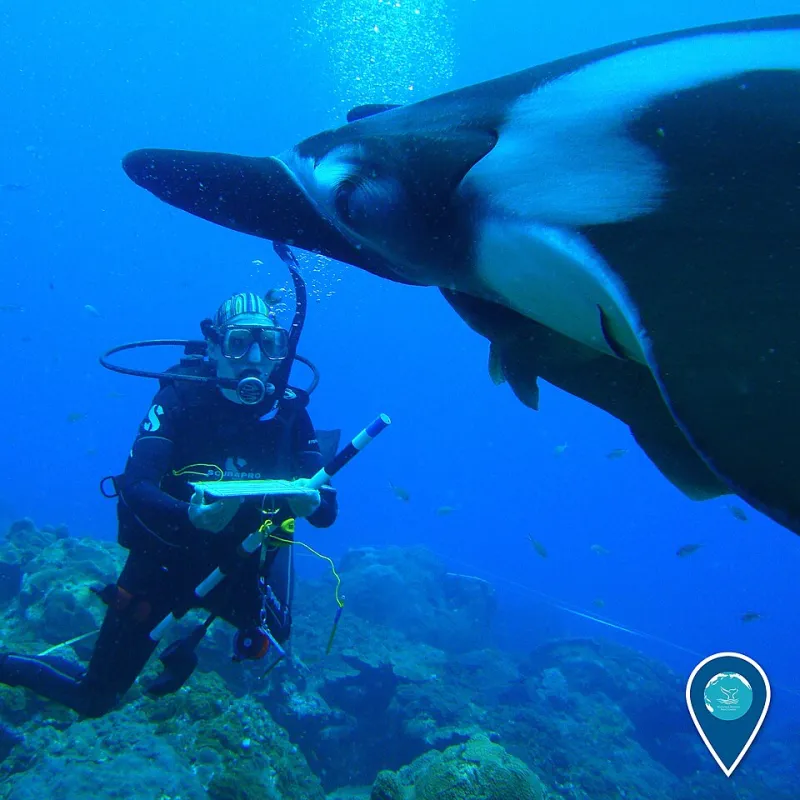
Photo: National Marine Sanctuaries, Public domain, via Wikimedia Commons
Ask ten divers what their best underwater moment was and you'll get ten wildly different answers. One person lights up describing a manta ray the size of a pickup truck doing slow barrel rolls through a cleaning station. Another pulls out their phone to show you a blurry photo of something that looks like a speck of sand — except it has eyes and is, apparently, the rarest nudibranch on the Pacific coast.
Both of them are completely right. That's the thing about diving — it contains multitudes.
If you're trying to figure out where to focus your time, money, and gear budget in 2025, the macro vs. large marine life question is worth thinking through carefully. These aren't just different experiences. They're almost different sports.
What We Actually Mean by Macro and Big-Animal Diving
Macro diving is the art of finding and observing small marine life — usually creatures under a few inches in size. Nudibranchs, frogfish, pygmy seahorses, flamboyant cuttlefish, tiny shrimp living on sea fans. It requires patience, a sharp eye, slow movement, and usually some decent close-focus photography gear.
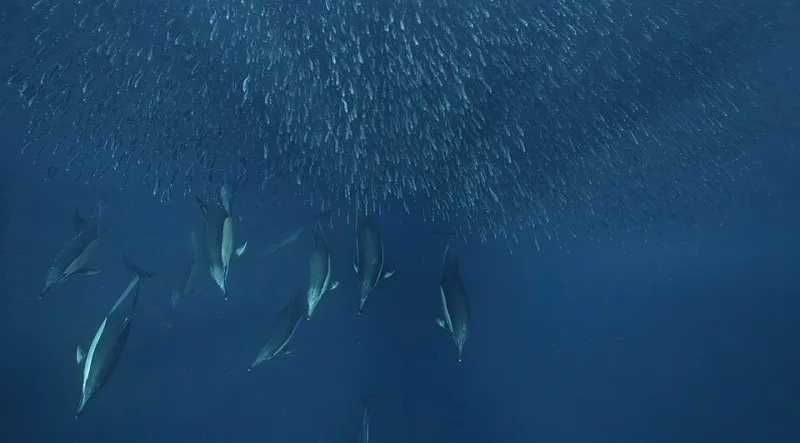
Big-animal or pelagic diving, on the other hand, is about encounters with large marine life — manta rays, whale sharks, hammerhead schools, dolphins, humpback whales, and similar species. These dives are often in open water, sometimes with strong currents, and the encounters can be brief, unpredictable, and absolutely electric.
Both styles have devoted followings in the US diving community, and both have seen a surge in interest as underwater photography has become more accessible.
The Personality Test Nobody Asked For
Okay, so which one are you? Here are some honest questions worth sitting with:
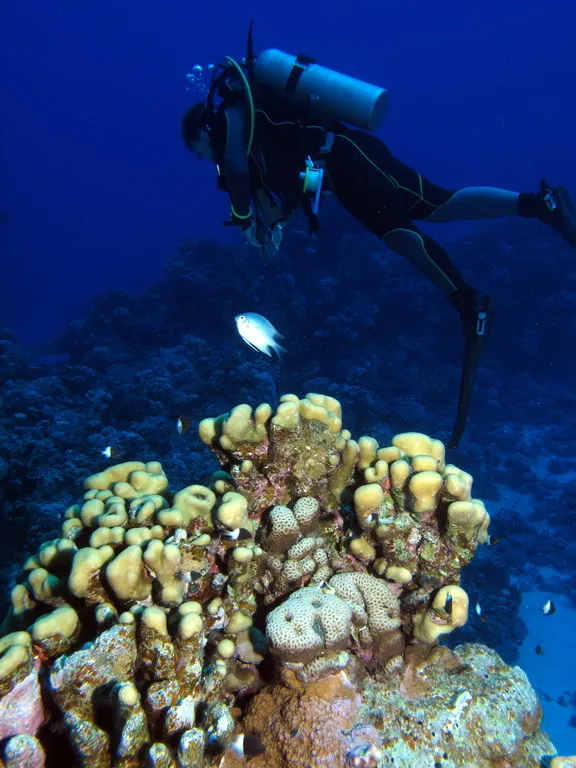
Do you find joy in the details, or do you need the big picture? Macro divers are often the same people who stop to read every placard at a museum. They're observers. Documentarians. They can spend forty minutes on a single coral head and surface feeling like they've seen everything. If that sounds like you, macro is probably your thing.
Big-animal divers tend to be experience-chasers. They want to feel small. They want their heart rate to spike. If the idea of drifting in open blue water waiting for something enormous to materialize out of the dark sounds thrilling rather than terrifying, you're probably a pelagic diver at heart.
How do you feel about unpredictability? Macro diving is relatively controllable. You go to the right reef, you move slowly, you find things. Big-animal encounters are never guaranteed. A manta ray aggregation site might be empty on the day you show up. Whale sharks follow their own schedules. If you need a payoff to feel like the dive was worth it, big-animal diving can be a humbling experience. Macro almost always delivers something.
Are you a photographer? This matters more than people realize. Macro photography requires specialized lenses, wet diopters, and a willingness to hover motionless for extended periods. The learning curve is steep but the results — tiny alien creatures in sharp focus — are extraordinary. Big-animal photography needs wide angles, good buoyancy in current, and the ability to react quickly. Both are rewarding, but the gear investment is different.
Gear and Budget: The Honest Breakdown
Let's talk money, because it matters in 2025.
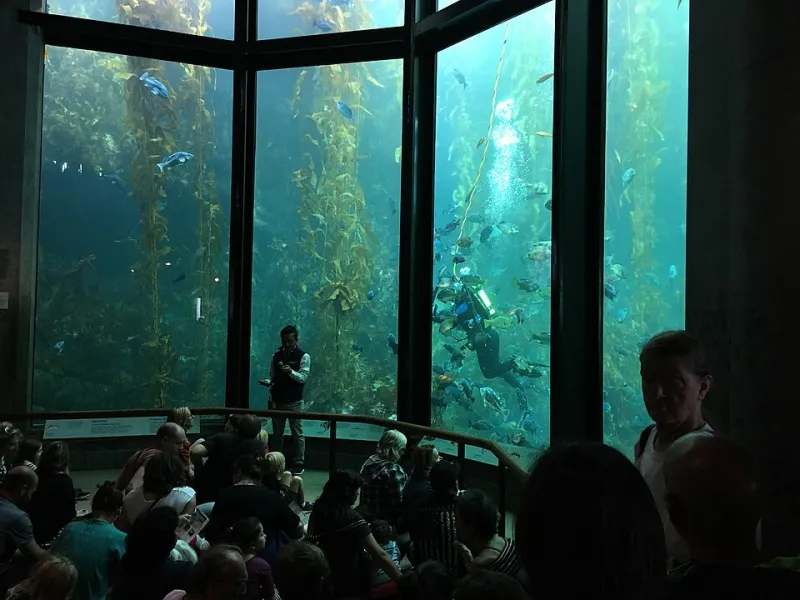
Macro diving is actually quite accessible from a destination standpoint. Some of the best macro diving in the world — and in the US — happens in colder, less glamorous waters. The Puget Sound in Washington state is genuinely world-class for macro. So is Monterey Bay in California. You don't need a flight to Southeast Asia to find extraordinary small-creature diving.
However, if you want the full macro experience with underwater photography, the gear costs can add up. A dedicated macro lens, a strobe or two, and a housing for your camera can run anywhere from $800 to several thousand dollars depending on your setup.
Big-animal diving tends to require more travel investment. The best manta ray dive sites in the US are in Hawaii — specifically the famous night dives off Kona on the Big Island. For whale sharks, you're looking at the Yucatan during summer season, or international destinations. Hammerhead aggregations at sites like Cocos Island or the Galápagos are bucket-list dives that come with bucket-list price tags.
That said, the encounters themselves don't require specialized photography gear. A wide-angle GoPro can capture something genuinely stunning when a manta ray fills your entire field of vision.
Skill Level and Certification Considerations
Both styles benefit from strong buoyancy control — that's non-negotiable for either path. But beyond that, the requirements diverge.
Macro diving is actually great for intermediate divers. You're typically in shallower water, on structured reefs or muck dive sites, with calmer conditions. It rewards patience and observation more than physical fitness or advanced certifications.
Big-animal diving, particularly pelagic encounters, often involves current, open water, and potentially drift diving. Advanced Open Water certification is a practical minimum, and Rescue Diver training is genuinely useful when you're diving in more exposed conditions. Some liveaboard expeditions to major aggregation sites will ask for logged dives in the triple digits.
What Each Style Does for Your Soul
This is the part that doesn't show up in certification requirements or gear lists, but it might be the most important factor.
Macro diving delivers a particular kind of satisfaction — the satisfaction of noticing. Of training your eye to see what others walk past. Regular macro divers often talk about it changing how they observe the world on land, too. Suddenly every tide pool, every forest floor, every patch of garden becomes a potential micro-ecosystem worth investigating.
Big-animal encounters do something different. They recalibrate your sense of scale. There's a reason people cry on manta dives — not because anything bad happened, but because something enormous and graceful decided to share its space with you for a moment, and it rearranged something in your chest.
Honestly? The best divers we know do both. They spend a morning hunting nudibranchs on a shallow reef and an afternoon drifting in blue water hoping something big shows up. The ocean is generous enough for both approaches.
So Where Do You Start in 2025?
If you're leaning macro, consider a dedicated muck diving trip to the Pacific Northwest or a structured reef dive in the Florida Keys with a guide who knows what to look for. The difference between seeing nothing and seeing everything on a macro dive is almost always the guide.
If big animals are calling you, the Kona manta night dive should be on your list before anything else. It's accessible, reliably spectacular, and it's a genuinely different experience from any other dive in the US.
At Delfin Diving, we run guided experiences for both styles — because we believe the best dive is the one that matches who you actually are underwater. Not sure yet? That's what the water is for.