Plan Backwards From the Water: Why Tide Tables Beat Flight Deals
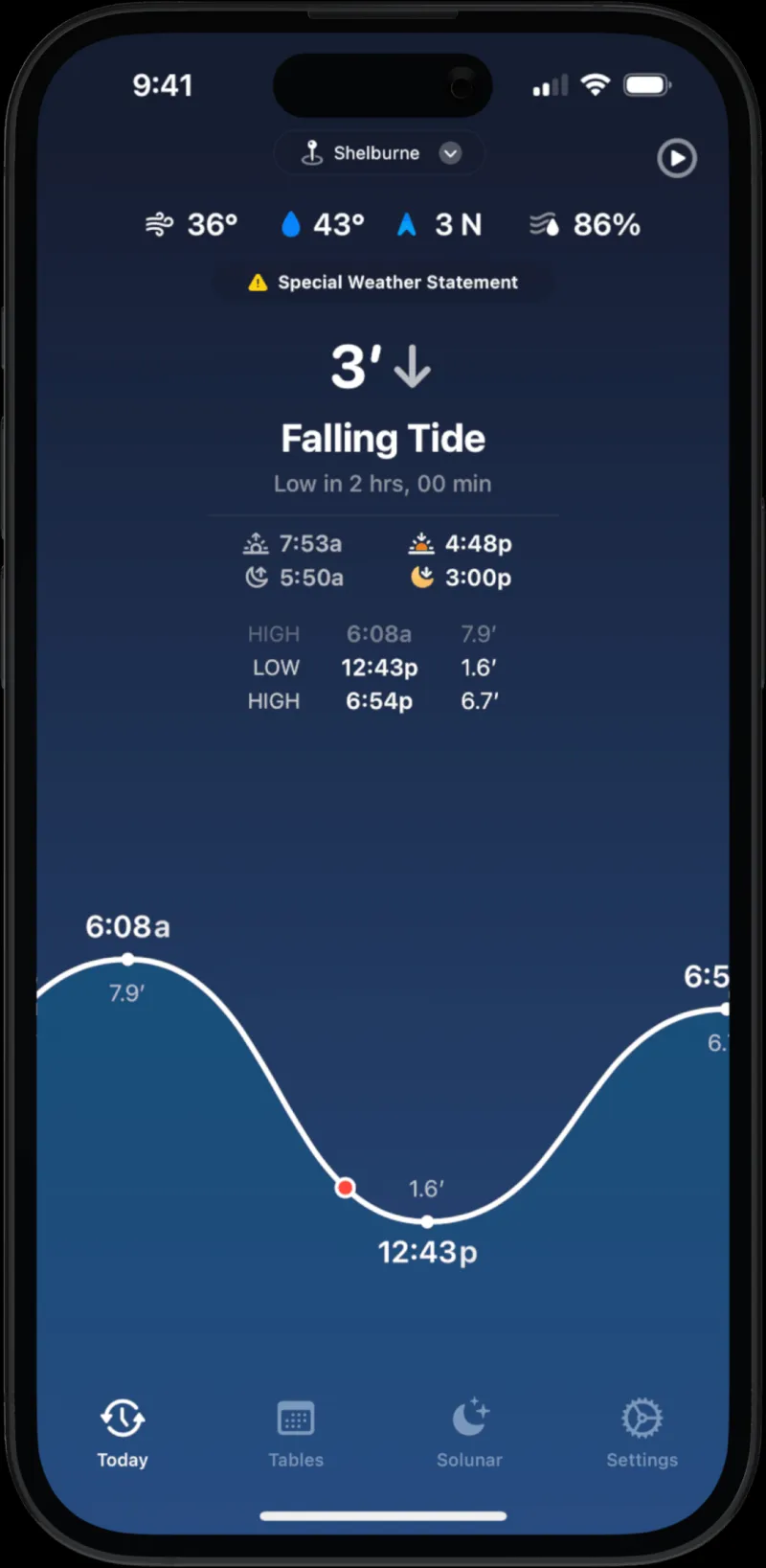
Photo: diver checking tide chart on tablet at boat dock sunrise, via assets-global.website-files.com
There's a moment that happens on every dive trip planned the normal way. You book the flights, reserve the condo, block out the week. Then you show up, and the local divemaster delivers the news: spring tides all week, ripping current, viz like coffee. Enjoy the beach.
Divers who've been doing this a while stopped planning that way years ago. They plan backwards — starting with the water, not the destination. It sounds obsessive until you realize it's the difference between diving five days and staring at five days.
Start With the Moon, Not the Map
The moon controls the tides, and the tides control almost everything you care about: current strength, water clarity, and whether the boat even leaves the dock. Around the full and new moons, you get spring tides — bigger water movement, stronger drift, murkier nearshore conditions. Quarter moons bring neap tides, when the difference between high and low water shrinks and the whole system calms down.
If your goal is easy, clear diving, you want the days around a quarter moon. If you're chasing pelagics that ride the current, the opposite is true. Either way, the moon picks your dates before the airline does.
Jupiter, Florida: The Current Is the Point
Take Jupiter, Florida — arguably the best place in the continental US to see Goliath grouper, sea turtles, and (in the right season) sharks. It's also a drift-dive destination, which means the current isn't a risk to manage. It's the entire attraction.
Local operators there plan around the incoming tide, when cleaner ocean water pushes in and improves visibility along the reefs. Divers time their trips to the days around slack current windows, and the goliath aggregation season in late summer adds another layer to the calendar. Book a random week in Jupiter and you might get a washing machine. Book around the tide tables and you get a parade.
The Channel Islands: When the Ocean Decides Whether You Sail
Then there's California, where the constraint isn't tide but swell. Trips to the northern Channel Islands from the mainland run on small passenger boats crossing open water, and a big northwest swell will cancel a crossing no matter how much you paid for the trip. Serious Southern California divers check the swell forecast the way skiers check snow reports — sometimes weeks out — and stay flexible on which island they're targeting. Anacapa on a big-swell weekend is a no-go; the leeward side of Santa Cruz might still be glassy.
The lesson: know which weather variable actually governs your specific destination, because it's not always the same one.
The Backwards Planning Method, Step by Step
- Identify the gatekeeper condition. Tide? Swell? Thermocline? Hurricane season? Every destination has one dominant variable.
- Find the good windows. Pull NOAA tide predictions for the exact spot, or use a swell forecast site for open-ocean crossings. Mark the favorable dates first.
- Layer in the seasonality. Water temperature, wildlife migrations, and visibility all have their own calendars. Combine them with your tide windows.
- Book the travel last. Yes, this means flights might cost a bit more. It also means you'll actually dive. Divers who plan this way usually come out ahead — a cheap flight to a blown-out week is the most expensive bargain in travel.
- Build a buffer day. One flexible day on either end of the trip absorbs the inevitable forecast shift.
A Little Nerdy, Entirely Worth It
There's a spreadsheet-shaped rabbit hole here for people who enjoy that sort of thing — slack tide calculators, lunar calendars, historical water temperature charts. You don't need all of it. You need one tide table, one swell forecast bookmarked, and the humility to let the ocean set your itinerary instead of the other way around.
The travelers who treat the tide chart like a weather app are the ones who come home with dive logs full of entries instead of stories about the boat that never left the harbor.