Seven Days, One Duffel Bag: How to Pack for a Dive Trip Without Regretting a Single Ounce
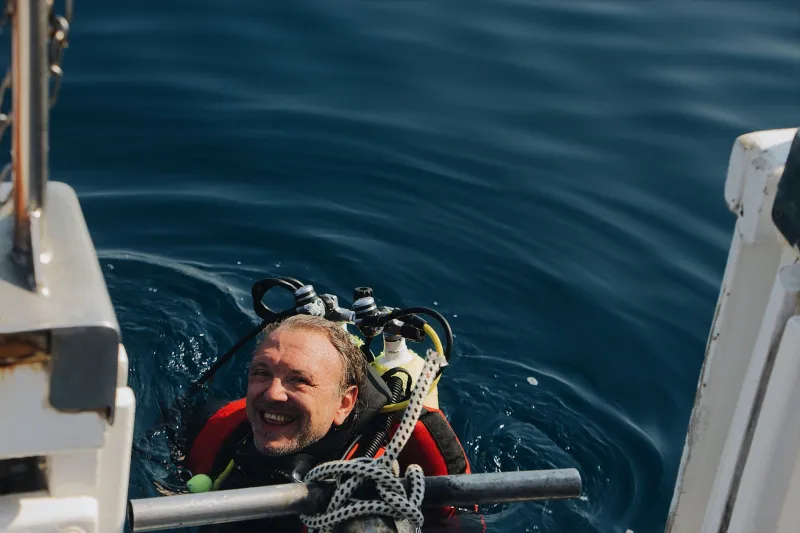
There's a moment every first-time dive traveler knows: you're standing at the airport in a rash guard and flip-flops, watching the baggage handler toss your 52-pound duffel onto the cart, and you realize you have no idea if you packed what you actually need.
We've all been there. The good news? Packing for a week of serious bottom time is a solvable problem, and the divers who do it well aren't geniuses — they've just made the mistakes already so you don't have to.
Start With the Truth: You Need Less Gear Than You Think
Here's the biggest revelation for first-timers heading to destinations like Cozumel, the Florida Keys, or a liveaboard out of Cairns: the heavy stuff — tanks, weights, BCDs, regulators on many trips — is either provided or easily rented. Renting your BCD and regulator for a week typically runs $100–$200 total, which is a lot cheaper than paying airline overweight fees and dragging gear through three connections from Denver.
What you should never rent? Anything that touches your face or your safety directly. That means:
- Mask — fit is personal, and a leaky rental mask ruins dives
- Dive computer — your safety data should be yours, calibrated to you
- Wetsuit (if you're picky, and you should be a little picky)
- Fins if you have unusual feet or specific kick styles
Everything else is negotiable. That's the mindset.
The Core Checklist, Distilled
Print this, tape it inside your bag, thank us later.
Exposure & Personal Gear
- Wetsuit appropriate to water temp (3mm for the Caribbean, 5–7mm for California or the Pacific Northwest)
- Rash guards — two, minimum. Salt water plus sun plus repeated dives means one is always drying
- Mask, defog solution (baby shampoo works in a pinch), spare mask strap
- Dive computer with a fresh battery or charged unit
- Dive light with backup, even on day-trip itineraries
The Stuff Nobody Tells You About
- Reef-safe sunscreen — many destinations, including Hawaii and Florida state parks, legally require it
- A dry bag for boat days
- Motion sickness meds taken before the boat leaves, not after
- Ear drops (a 50/50 white vinegar and rubbing alcohol mix in a travel bottle is a diver classic)
- More swimmers, fewer t-shirts. You live in swimwear on dive trips
- A windbreaker or hoodie — boat rides between sites get cold fast, even in the tropics
Documents & Logistics
- Certification card (or a digital copy on your phone, but bring the physical card — some operators are still old school)
- Dive insurance info. DAN is the standard in the US, and if you're diving remote, it's non-negotiable
- Logbook, whether paper or app
The Classic Mistakes That Ruin Trips
We polled a handful of our most traveled dive friends, and the same failures came up again and again:
1. Skipping the gear shakedown. If your regulator hasn't been serviced in a year, get it done two weeks before departure — not two days. Shops get slammed before holidays, and a pressure test the night before your flight is a gamble.
2. Overpacking clothes, underpacking spares. You need one nice dinner outfit, maybe. You need a spare mask strap, fin buckle, and mouthpiece absolutely. Small failures on remote boats become big problems.
3. No downtime built into the schedule. New divers want to book every single dive slot. By day four, fatigue sets in, and that's when mistakes happen. Plan a surface interval day midweek — snorkel, nap, explore the island. Your bottom time will be better for it.
4. Ignoring hydration and alcohol. Dehydration is a genuine factor in decompression stress. The week is long; the margaritas will still be there on your last night.
Budget-Saving Moves From Seasoned Travelers
A few tricks our readers swear by:
- Book gear rental packages in advance. Paying per-dive at the counter adds up fast; week-long packages often run 30% cheaper.
- Fly with your regulator in your carry-on. It's small, it's expensive, and airlines lose checked bags at the worst possible time.
- Travel shoulder season. Early June or late September in the Caribbean means cheaper liveaboards, emptier boats, and water temps barely different from peak season.
- Split a private charter with your dive club. Six divers splitting a boat out of Key Largo often beats per-person shop rates, and you pick the sites.
The Final Word: Pack for the Water, Not the Instagram
The best dive trips we've ever taken involved fewer outfits and more spares, fewer plans and more flexibility. Salt, sun, and serial bottom time don't care what you look like at dinner — they care whether your mask fits, your computer works, and your ears clear on day six like they did on day one.
Pack like a diver, not a tourist. The ocean will handle the rest.
Download our full printable checklist before your next trip — and if you're still picking a destination, check out our guide to under-the-radar US dive sites under 100 feet.