One Tank, Two Travelers: Planning a Dive Trip When Your Partner Stays Dry

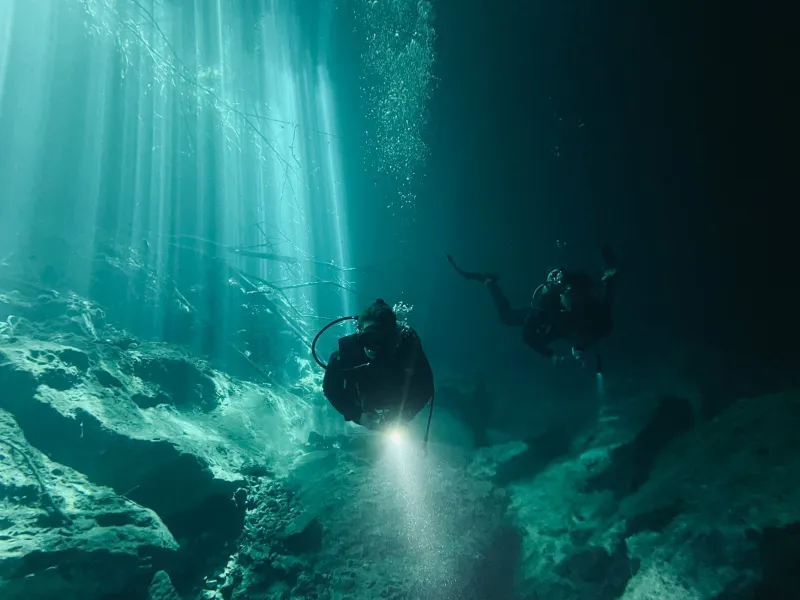
Photo: Luis Alvaz, CC BY-SA 4.0, via Wikimedia Commons
The worst mixed dive trip I ever watched unfold started with the sentence, 'We'll figure it out when we get there.'
It ended, four days later, with one person sunburned and bored on a marina bench at 2 p.m. and the other apologizing for a boat that ran long. Nobody was wrong. Nobody had planned the half of the trip that didn't involve a regulator.
If you dive and your partner doesn't, you're in the majority. Most dive travel in the U.S. is mixed. The good news is that a mixed trip can be genuinely great — sometimes better than a dive-only trip, because you actually leave the water and see the place. It just needs a structure, agreed on before anyone books a flight.
The Rule That Saves the Trip: Morning Water, Afternoon Together
Almost every dive operation in the country runs the same schedule. Two-tank morning trip, back at the dock between noon and 1:30 p.m. That's not an obstacle — it's the whole architecture of your trip.
Give the diver the morning. Give the couple the afternoon. That single split solves about eighty percent of the friction, because the dry partner isn't waiting around all day, and the diver isn't spending the whole trip feeling guilty about disappearing.
What makes it work is the back half. Commit to being back, showered, and pleasant by 2 p.m. Book the afternoon activity for 3 so there's slack. And if the boat gets back at 2:40, which happens, you already agreed the plan flexes.
Three Destinations Where the Topsides Earn Their Keep
The Florida Keys
The most logistically forgiving mixed trip in America. Fly into Miami or Fort Lauderdale, rent a car, and you're in Key Largo in about an hour. Diving is world-class and shallow enough that a newly certified diver can enjoy it alongside a veteran.
On the water: Molasses Reef, the Benwood, and the Spiegel Grove for the wreck crowd.
On land: John Pennekamp Coral Reef State Park has kayak and paddleboard rentals through the mangroves and a glass-bottom option that gets a non-diver genuinely close to the reef. Robbie's in Islamorada for the tarpon feeding, which sounds touristy and is, and is also fun. The History of Diving Museum is a surprisingly good two hours. Farther south, Key West is a two-and-a-half-hour drive — worth a night, not a day trip.
The underrated move: book your dry partner on the same boat as a snorkeler. Plenty of Key Largo operators run snorkel and dive trips to the same reef, so you share the ride out, share lunch, and compare notes on the way back.
Southern California
Catalina is the cleanest mixed-couple destination on this list, and almost nobody markets it that way. Ferry from Long Beach or San Pedro, walk off the boat in Avalon, and you're there.
On the water: Casino Point Dive Park is a walk-in shore dive. That matters enormously — the non-diving partner can drop you at the stairs, walk five minutes into town, and meet you for lunch. No boat schedule, no waiting at a dock, no 'we're doing a second tank, be back at 3.'
On land: the Casino building and its ballroom, golf cart rental, Descanso Beach Club, and the zip line if you're feeling ambitious. Avalon is walkable and small enough that a few hours alone is a pleasure rather than a sentence.
Farther south, La Jolla is a good mainland alternative: kayak the sea caves, snorkel with the sea lions at the Children's Pool, hit Birch Aquarium, walk Torrey Pines. The diving is cold and kelpy and best suited to a diver with some experience.
Hawaii
The best mixed trip in the country, and it isn't especially close. Maui and the Big Island both offer mornings that are as good dry as wet.
On Maui, Molokini boats often carry snorkelers, so you can share the ride. On land, the Road to Hana is a full day and worth giving a full day. Haleakalā sunrise requires an early start and a reservation — plan it for a non-dive morning so nobody is fighting nitrogen and altitude in the same twelve hours.
On the Big Island, the manta night dive is the rare dive a dry partner can genuinely share: snorkelers float on the surface above the same lights and watch the same animals. It's the single best argument for a mixed trip I know of. Do that one together.
A Day-by-Day Template That Actually Works
- Day 1 — Arrival. No diving. Gear check, grocery run, a walk, dinner together. Nobody is fun on a travel day.
- Day 2 — Dive morning. Two-tank trip, 8 a.m. to about 1 p.m. Afternoon shared: beach, town, whatever the dry partner picked. Early night.
- Day 3 — Full dry day. This is theirs. Yours, too — you needed a surface interval day anyway, and a full day off the water makes the next day's diving better.
- Day 4 — One more dive morning. Single tank or a shallower second day. Afternoon shared. Start the no-fly clock.
- Day 5 — Fly home. Build in the surface interval before the flight and don't schedule a dawn dive the same day.
Two dive days in a four-night trip is the sweet spot. Three is possible if the destination supports shore diving. Four is a dive trip with a passenger.
Scripts for the Negotiation
Ask for the wish list first. Not 'what do you want to do while I'm diving' — that puts them in the waiting role. Ask: 'What are the two things you most want to do on this trip?' Then build the dive schedule around those two things rather than fitting them into the gaps.
Try the one-thing rule. Each person gets one non-negotiable. Yours might be the Spiegel Grove. Theirs might be the Road to Hana. Both get protected, no renegotiating later.
Say the return time out loud and then keep it. 'I'll be back by 1:30 and I'll text when we're at the dock.' Then be back by 1:30 and text.
Don't promise energy. A two-tank morning in warm water and a two-tank morning in a 7mm suit are different days. If you're going to be useless until 4 p.m., say so in advance instead of collapsing on a beach chair mid-conversation.
Split the chores honestly. You dive, so you own the gear rinse, the drying rack, and the packing. That's the trade for the mornings.
What to Skip
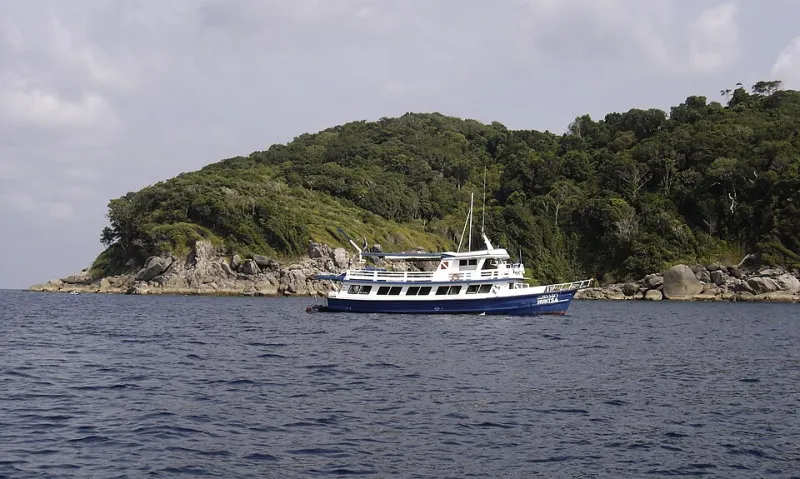
Liveaboards. Obvious, but people try anyway. So are remote dive resorts with nothing within walking distance, and any itinerary where the boat schedule is the only schedule. If the whole trip only works when you're underwater, it isn't a couples trip — it's a dive trip with a guest.
Plan the dry half as carefully as the wet half and you'll both come home with something to talk about.